A Cafe in Tirana Designed for the Pause Between Conversations
Прочети на български
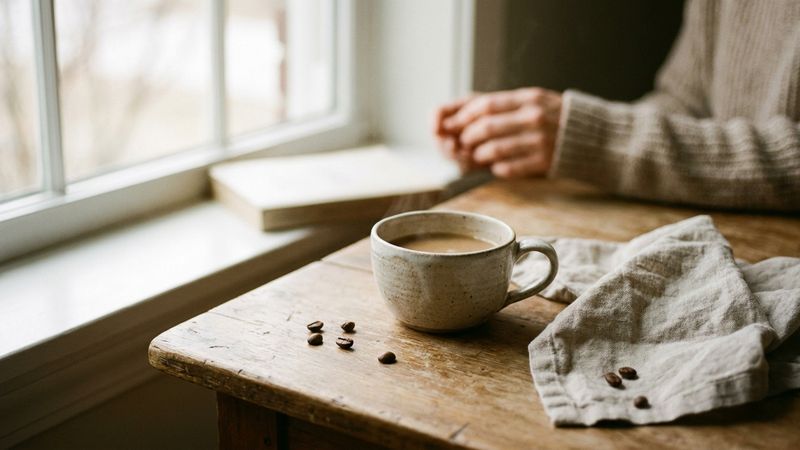
The door opens onto a street in Tirana where the morning light falls at an angle that makes you walk slower. Inside, the espresso machine hums at a frequency that suggests patience rather than urgency. Someone is reading at a corner table. Someone else is typing, but not frantically. The space feels like it was designed for the moment between arriving and leaving, the pause that most cafes accidentally eliminate.
This is The Back Room, which opened in May 2026 on Sulejman Delvina in Albania's capital. And what makes it worth attention from Sofia, from anywhere in Eastern Europe where specialty coffee culture is still finding its shape, is not the equipment or the menu. It is the philosophy that determined both.
What Sofia and Tirana Share
Both cities are navigating the same question: how do you build a specialty coffee culture that belongs to the people who live there, rather than importing a template from Berlin or Melbourne and hoping it fits?
In Sofia, this conversation has been unfolding for years. Spaces like Blue Bag Specialty Coffee have developed their own approach, with head barista Francisco Lopez working directly with over a dozen partner cafes across the city, prioritizing peak ripeness beans and transparent farm relationships. The emphasis is on building local ecosystems of trust and quality, not replicating what works elsewhere.
The Back Room in Tirana operates from the same premise. As founder Jonida Xhema describes it, the cafe was "built around the idea that great coffee creates meaningful connections." The goal is not to educate locals about what specialty coffee should taste like according to external standards. It is to create a space where people feel comfortable spending time, meeting others, and slowing down.
Sourcing as Statement
The coffee program at The Back Room sources from The Barn Berlin, a roaster known for transparent supply chains and long-term producer relationships. The current rotation includes:
- Chelbesa from Ethiopia, with notes of apricot, nougat, and floral
- Bumba Hill from Burundi, offering pomegranate, black tea, and a silky texture
- Kamwangi AB from Kenya, with red currant, raisin, and syrupy sweetness
- Huila from Colombia, bright with guava and mango
These are not arbitrary selections. Each coffee represents a relationship between roaster and producer that extends beyond a single harvest. The sustainability approach at The Back Room, as Xhema explains, "begins with thoughtful sourcing and reducing unnecessary waste." Reusable cups are encouraged. Waste is carefully managed. But the foundation is the supply chain itself, the decision to work with partners who prioritize transparency over convenience.
This mirrors what is happening in Sofia's specialty coffee scene, where the question of where beans come from, and who benefits from their sale, has become central to how cafes define themselves.
Design That Supports the Mission
The physical space of The Back Room balances two identities: neighborhood cafe and destination for specialty coffee enthusiasts.
The design is warm, relaxed, approachable. Materials and layout were chosen to support the mission of slowing down and connection, not to signal exclusivity.
Espresso is brewed on a La Marzocco Linea Classic. Filter coffee is prepared through V60. Alongside coffee, the menu includes specialty matcha, homemade cheesecakes, and retail beans for guests to take home.
But the equipment and menu are secondary to the atmosphere. The Back Room was shaped by local creatives, friends, and members of the Tirana community. Collaboration with artists, bakers, and photographers continues through events, pop-ups, and community gatherings. The cafe functions as a node in the city's creative network, not as an isolated destination.
What This Signals
Eastern European cities are not catching up to Western Europe's specialty coffee capitals. They are developing their own approaches, shaped by local rhythms, local communities, local definitions of what a cafe should be.
The Back Room in Tirana and spaces like Blue Bag in Sofia represent a shared understanding: that specialty coffee culture in this region is not about importing models wholesale. It is about building something that belongs to the people who show up every morning, who linger over a second cup, who use the space for work and conversation and the kind of pause that most cities have forgotten how to offer.
The question is not whether more cafes like this will open. They will. The question is whether the cities themselves will learn to value the pause these spaces protect.
Frequently Asked Questions
Q: Where is The Back Room located and when did it open?
A: The Back Room opened in May 2026 at Sulejman Delvina, Tirana, 1001, Albania. The cafe serves specialty coffee sourced from The Barn Berlin alongside matcha, homemade cheesecakes, and retail beans.
Q: What coffee equipment does The Back Room use?
A: The cafe brews espresso on a La Marzocco Linea Classic and prepares filter coffee through V60. The current coffee rotation includes single-origin beans from Ethiopia, Burundi, Kenya, and Colombia.
Q: How does The Back Room approach sustainability?
A: The cafe prioritizes transparent supply chains and long-term producer relationships through its partnership with The Barn Berlin. Practical measures include encouraging reusable cups, careful waste management, and focusing on quality products designed to be enjoyed rather than consumed quickly.
The Flaneur