A City Sketched by Strangers
Прочети на български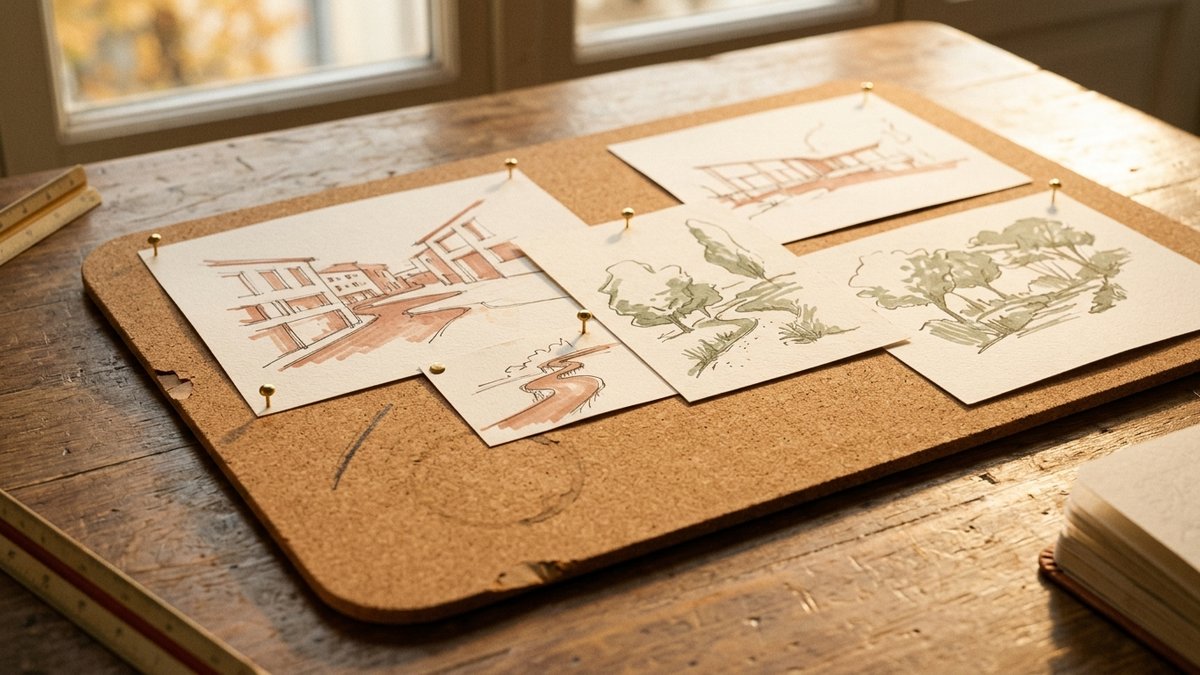
On Aleksanterinkatu, Helsinki's main pedestrian street, strangers stopped last week to sketch ideas for a better city. Not designers. Not architects. Just people walking past who noticed an open invitation and picked up a marker.
This was HDW Lab, one of roughly 250 events at Helsinki Design Week 2026. Urban-development experts stood nearby, listening. They took the sketches seriously. Some became starting points for actual proposals.
The question that lingers: what if Sofia approached its public spaces the same way?
The Gap That Isn't a Deficit
Sofia has creative talent. Independent design studios, a growing craft culture, neighbourhood-level initiatives that activate public space in small but meaningful ways. What it lacks is a coordinated, city-wide design dialogue. Not a festival of products, but a conversation about how the city itself could work better.
This is an opportunity, not a failure. The infrastructure exists in fragments. At Blue Bag Specialty Coffee, head barista Francisco Lopez sources beans from verified farms at peak ripeness, then distributes them to a network of twelve partner cafes across the city. The model is built on relationship and quality over volume.
This is design thinking applied to coffee culture: intentional, circular, community-rooted. The same principles could apply to public seating, wayfinding, seasonal markets, pedestrian flow in neighbourhoods like Zhenski Pazar.
Design Thinking Beyond the Object
We see design today not only as product-related. That's how it started but today we are talking about services and how to solve urban problems through design thinking.
Kari Korkman, Helsinki Design Week founder
The HDW Lab embodied this shift. Passers-by co-created ideas. Experts turned them into proposals. The city became the client, and the public became the brief.
What urban problems could Sofia tackle through this lens? The question is not rhetorical. Every city has friction points that design could address. The difference is whether anyone is asking.
Circular Design as Craft
At Habitare, Finland's key furniture and interior-design fair, more than 40,000 visitors came during Helsinki Design Week. Unlike most fairs of its scale, Habitare is consumer-oriented. Finnish brands often record strong sales there.
I don't have a physical shop and this is the only place where people can touch, feel and see my products. I sell a lot here.
Teppo Lakaniemi, Helsinki-based furniture brand Tebian
But the fair was not just about transactions.
Tyyne, an acoustic panel made from wooden side-stream materials by local studio Sistem with Finnish design brand Niimaar, reflected Habitare's growing focus on circular design.
The Futuro House recreation, with Marimekko interiors, proposed a vision where we can downscale and live with less, but with what's important to us, according to Marimekko's creative director Rebekka Bay.
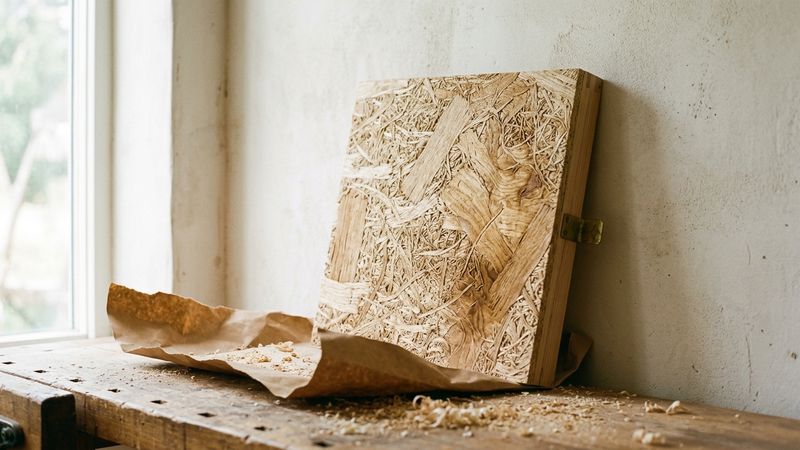
Sofia's craft culture already practices these principles. Local makers in furniture, ceramics, and textiles work with limited materials, small batches, and long timelines. The philosophy is there. The visibility is not.
The Fair as Laboratory
We want to be in a real dialogue with the industry and young designers, sensing what is in the air. And we want to encourage prototyping, showing that not everything at a furniture fair needs to be finished.
Päivi Helander, Habitare creative lead
This is the distinction that matters. Habitare treats the fair as a laboratory, not a showroom. Unfinished ideas are welcome. The conversation is the product.
Could Sofia Design Week, or a similar initiative, adopt this model? Mixing consumer access, designer dialogue, and unfinished ideas requires a different kind of infrastructure. Not more money, necessarily. More intention.
What Comes Next
Finland's design culture succeeds because it treats design as civic practice, not commercial product. The city is the canvas. The public is the collaborator. The fair is the conversation.
Sofia has the creative energy. What it needs is intentional infrastructure for dialogue. Not a festival that celebrates what already exists, but a process that asks what could exist next.
The sketches on Aleksanterinkatu were not masterpieces. They were starting points. That is the point.
Frequently Asked Questions
Q: What is design thinking in the context of urban planning?
A: Design thinking applies problem-solving methods from product design to city-scale challenges. Instead of treating design as decoration, it treats public spaces, services, and systems as design problems that benefit from user input and iterative prototyping.
Q: How did Helsinki Design Week 2026 involve the public in city design?
A: The HDW Lab installation on Aleksanterinkatu invited passers-by to sketch ideas for a better-designed city. Urban-development experts then discussed these ideas and used them as starting points for new proposals, as part of a two-year collaboration with the City of Helsinki.
Q: What is circular design in furniture and interiors?
A: Circular design prioritises material reuse and longevity over novelty. At Habitare 2026, examples included Tyyne acoustic panels made from wooden side-stream materials and the Futuro House recreation, which proposed downscaling and living with less through intentional material choices.
The Flaneur
Frequently asked questions
What is design thinking in the context of urban planning?
Design thinking applies problem-solving methods from product design to city-scale challenges. Instead of treating design as decoration, it treats public spaces, services, and systems as design problems that benefit from user input and iterative prototyping.
How did Helsinki Design Week 2026 involve the public in city design?
The HDW Lab installation on Aleksanterinkatu invited passers-by to sketch ideas for a better-designed city. Urban-development experts then discussed these ideas and used them as starting points for new proposals, as part of a two-year collaboration with the City of Helsinki.
What is circular design in furniture and interiors?
Circular design prioritises material reuse and longevity over novelty. At Habitare 2026, examples included Tyyne acoustic panels made from wooden side-stream materials and the Futuro House recreation, which proposed downscaling and living with less through intentional material choices.