A Grain Mill in a Farmhouse Kitchen, and What It Teaches About Starting From Scratch
Прочети на български
The copper beech tree came first. Julia Hook and her husband Patrick saw it standing in the middle of the property on King Street in Cohasset, Massachusetts, and made their decision before they finished the tour. "We often joke that we bought the tree and the house came with it," Hook told the Cohasset Anchor. The farmhouse dates to the early 1800s. The vegetable field came later, after the twins were born, after a year abroad that took the family across six continents.
Fox Meadow Farm & Bakery now operates from that property: a quarter-acre garden, rows of violet-striped fairy-tale eggplant and several tomato varieties, and a kitchen where Hook mills whole grains into flour before each bake.
For readers in Sofia and across Bulgaria, where cottage bakeries remain rare and the sourdough revival is still finding its footing, Hook's model offers something worth studying. Not a template to copy, but a question: what happens when a maker controls the process from raw material to finished loaf?
The Path That Led to the Mill
Hook studied political communication at the University of Pennsylvania, where she first encountered urban community gardening. A job at a polling firm in Washington, D.C. followed, but the pull toward growing food won out. She apprenticed at Sisters Hill Farm in New York's Hudson Valley, then received a Fulbright Grant to Malaysia, where she taught English in Terengganu and researched organic farming.
Back in the United States, she worked at Stout Oak Farm in New Hampshire under farmer Kate Donald. She met Patrick at a farmers' market. She graduated valedictorian from the Professional Chef's Program at Cambridge School of Culinary Arts.
The family moved to Fox Meadow Farm in 2020. During 2024 and 2025, they traveled to 18 countries across six continents. Hook baked bread wherever they landed.
"I have been baking bread for over 15 years and love the feeling of dough in my hands, the transformation process, and science behind it."
Julia Hook
Ancient Grains and a Starter Named Lucy II
The shift came when Hook acquired a Mockmill grain mill.
"One of the best benefits of freshly-milled flour, besides freshness, flavor, and increased nutrition, is you now have access to buying whole grains. And milling those grains into flour you wouldn't easily find at a store, or even online."
Julia Hook
She favors ancient grains: varieties grown for centuries outside modern genetic selection, with higher levels of protein, fiber, and vitamins than commodity wheat. The sourdough starter, Lucy II, lives in her kitchen. The focaccia comes out golden and herb-crusted. The chocolate chip cookies are made with browned butter.
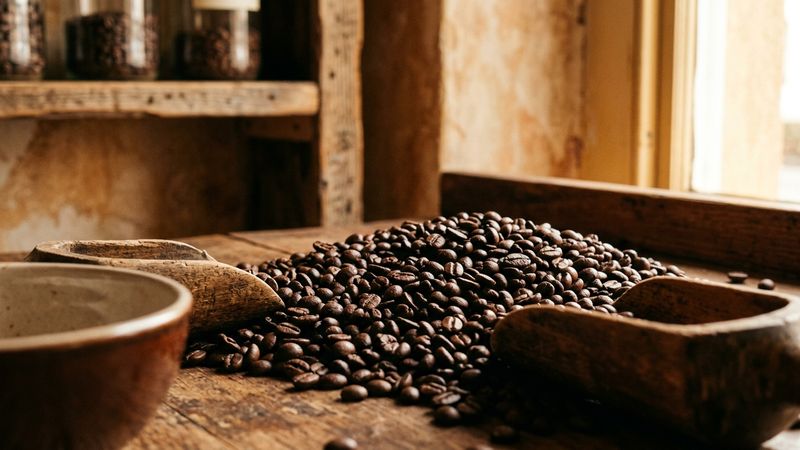
In Sofia, roasteries like Aroma Coffee work with a parallel principle: sourcing green beans and roasting in-house to control quality from the raw material forward.
Hook's approach to grain milling mirrors this commitment. The transformation happens on-site, visible, accountable.
The Weekly Pick-Up and What It Builds
Hook sells at the Cohasset Farmers' Market during the season, but the year-round model is a weekly pick-up menu. Customers sign up, receive the week's offerings, and drive up the tree-lined driveway to collect their order. The menu rotates: classic sourdough sandwich loaves, freshly-milled whole-grain sourdoughs, focaccia varieties, baked goods.
In Bulgaria, where farmers' markets thrive but cottage bakeries remain uncommon, the pick-up model offers a way to build a customer base without retail overhead. Small batches, personal connection, no middleman.
Hook plans to expand into garden consulting.
"Sometimes I hear people say, 'I want so badly to grow a garden for me and my family, but I don't know where to start.' I truly know where they're coming from because I was that person, trying to grow broccoli in a tiny pot on my apartment balcony in DC."
Julia Hook
Stewardship as Practice
The Hooks tend chickens, harvest mushrooms, ferment foods. Patrick chops firewood from nearby felled trees. The twins climb the copper beech.
"My husband and I see ourselves as stewards of the land, working to improve it and leave it better than we found it, just like the owners before us."
Julia Hook
The bread is the visible output. The land is the longer project.
Frequently Asked Questions
Q: What are ancient grains and why do bakers use them?
A: Ancient grains are wheat and grain varieties grown for centuries without modern genetic modification. They typically contain higher levels of protein, fiber, and vitamins than commodity wheat. Bakers who mill these grains fresh gain access to flour varieties not available in stores.
Q: How does a cottage bakery pick-up model work?
A: Customers sign up for a weekly menu, place orders in advance, and collect baked goods directly from the baker's home on a designated day. This allows small-scale bakers to operate without retail space while maintaining direct customer relationships.
Q: What equipment does a home baker need to mill their own flour?
A: A countertop grain mill, such as the Mockmill, allows home bakers to grind whole grains into fresh flour. The investment opens access to grain varieties not sold as flour, and freshly-milled product retains more nutrients and flavor than pre-ground alternatives.
The Artisan
Frequently asked questions
What are ancient grains and why do bakers use them?
Ancient grains are wheat and grain varieties grown for centuries without modern genetic modification. They typically contain higher levels of protein, fiber, and vitamins than commodity wheat. Bakers who mill these grains fresh gain access to flour varieties not available in stores.
How does a cottage bakery pick-up model work?
Customers sign up for a weekly menu, place orders in advance, and collect baked goods directly from the baker's home on a designated day. This allows small-scale bakers to operate without retail space while maintaining direct customer relationships.
What equipment does a home baker need to mill their own flour?
A countertop grain mill, such as the Mockmill, allows home bakers to grind whole grains into fresh flour. The investment opens access to grain varieties not sold as flour, and freshly-milled product retains more nutrients and flavor than pre-ground alternatives.