
A Local's Guide to Sofia: Rituals Over Landmarks
Прочети на български
The metro doors open at Serdika. A woman pushes past with a plastic bag of vegetables; two teenagers argue about something on a phone screen. Ancient ruins sit under the glass floor, but what registers at the exit is something warmer: butter and filo pastry from the banitsa stand. The escalator deposits you onto a street where Bulgarian swirls around you like a language you almost understand but don't.
Sofia in 2026 feels like this: disorienting, layered, resistant to the quick visit. But here's the thing - Sofia rewards those who stop trying to see it and start trying to live in it, even for a few days.
Why Sofia Rewards the Slow Visitor Now
The post-2020 shift changed this city in ways that are still settling. Young professionals who left for Berlin and London started coming back. Remote workers discovered that a flat in Lozenets costs a fraction of one in Lisbon. The result: a generation of residents learning to see their own city differently, treating it not as a place to escape from but as a place worth slow attention.
Neighborhoods as Ritual Spaces
Oborishte at 7 AM
The neighbourhood of Oborishte, east of the city centre, has a particular quality in early morning. Old apartment buildings and small shops that haven't changed their signage in decades. At 7 AM, the light is soft and the only sounds are footsteps and the occasional tram.
The ritual here is coffee before the day begins. Not at a chain, but at one of the small cafes where the barista knows the regulars by order. The etiquette is simple: arrive, order, sit by the window if one is free. Don't rush.
The Afternoon Pause
The streets around ul. Tsar Shishman hold Sofia's afternoon ritual. Between 3 and 5 PM, the cafes fill with people who are not tourists and not quite working - freelancers, artists, the occasional writer staring at a notebook. The unwritten rule: don't take the last table if you're only staying ten minutes.
Food and Drink as Slow Practice
Sofia's specialty coffee scene has shifted in the past few years. Roasteries like Aroma Coffee are reshaping how residents think about their morning ritual. Owner Georgi Gagov, who holds an SCA Roastery Diploma, sources and roasts the single-origin beans. The coffee isn't just caffeine; it's a moment of intention before the day begins.
The Friday morning market at Zhenski Pazar (Women's Market) offers another kind of ritual. Arrive before 9 AM. Walk slowly. The vendors selling peppers and tomatoes have been here for decades. Greet the seller, ask what's good today, accept the recommendation. Return the following week and they'll remember you.
Seasonal Rhythms
Sofia changes dramatically by season, and residents plan their lives around these shifts.
Spring arrives in late March with cherry blossoms in Borisova Gradina park.
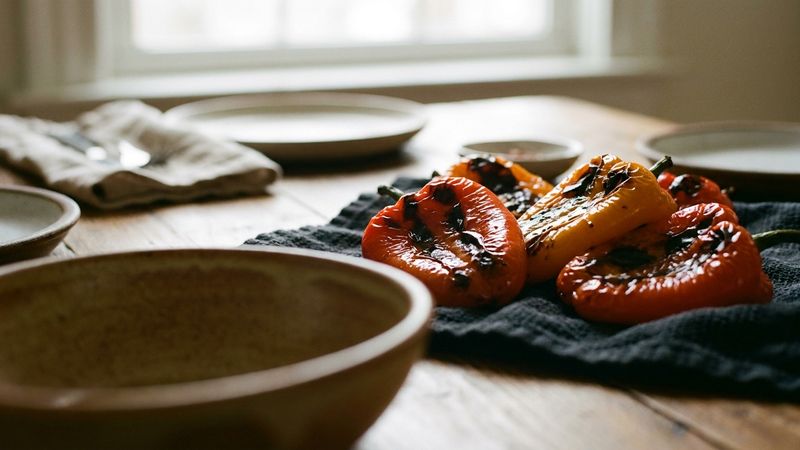
Terraces appear overnight, chairs dragged onto sidewalks the moment the temperature allows. Summer means rooftop culture and evening walks along Vitosha Boulevard after the heat breaks. Autumn brings harvest markets and the smell of roasting peppers from apartment balconies, a citywide ritual of preserving for winter. Winter drives everyone indoors, into the cafes that become living rooms, where conversations stretch past the hour.
The Unwritten Rules
Greet shopkeepers when you enter. Make eye contact. If you return to the same cafe three days in a row, the barista will start to recognise you. This is the point. Regularity builds trust. Trust opens doors: a free pastry, a recommendation for a place that isn't on any map.
Don't eat while walking. Find a bench, a park, a cafe. The meal is a pause, not a task.
The One-Day Challenge
If you have one day in Sofia:
Morning: Start at Borisova Gradina park before 8 AM. Then find a neighbourhood cafe in Lozenets or Oborishte and order a flat white. Sit by the window.
Afternoon: Walk to Zhenski Pazar. Buy something you don't recognise. Ask the vendor how to cook it. Then wander to ul. Tsar Shishman and find a table at a cafe with no English menu.
Evening: End near the National Palace of Culture and watch the city slow down.
The evening light in Sofia is particular: golden, soft, forgiving.
Frequently Asked Questions
Q: What is the best time of day to experience Sofia like a local?
A: Early morning, between 6:30 and 8 AM, offers the quietest streets and the most authentic cafe rituals. Locals claim this time before the city accelerates, and the light during these hours is particularly soft.
Q: How do I find specialty coffee in Sofia?
A: Look for roasteries like Aroma Coffee or cafes in neighbourhoods like Oborishte and Lozenets. The specialty coffee scene has grown significantly since 2020, with many roasters sourcing single-origin beans.
Q: What is the etiquette for visiting Sofia's neighbourhood markets?
A: Arrive early (before 9 AM for Zhenski Pazar), greet vendors before browsing, and ask what's fresh. Returning to the same vendor builds trust and often leads to better prices and insider tips.
The Flaneur
Frequently asked questions
What is the best time of day to experience Sofia like a local?
Early morning, between 6:30 and 8 AM, offers the quietest streets and the most authentic cafe rituals. Locals claim this time before the city accelerates, and the light during these hours is particularly soft.
How do I find specialty coffee in Sofia?
Look for roasteries like Aroma Coffee or cafes in neighbourhoods like Oborishte and Lozenets. The specialty coffee scene has grown significantly since 2020, with many roasters sourcing single-origin beans.
What is the etiquette for visiting Sofia's neighbourhood markets?
Arrive early (before 9 AM for Zhenski Pazar), greet vendors before browsing, and ask what's fresh. Returning to the same vendor builds trust and often leads to better prices and insider tips.