A Meadow, a Market, and a Question for Sofia
Прочети на български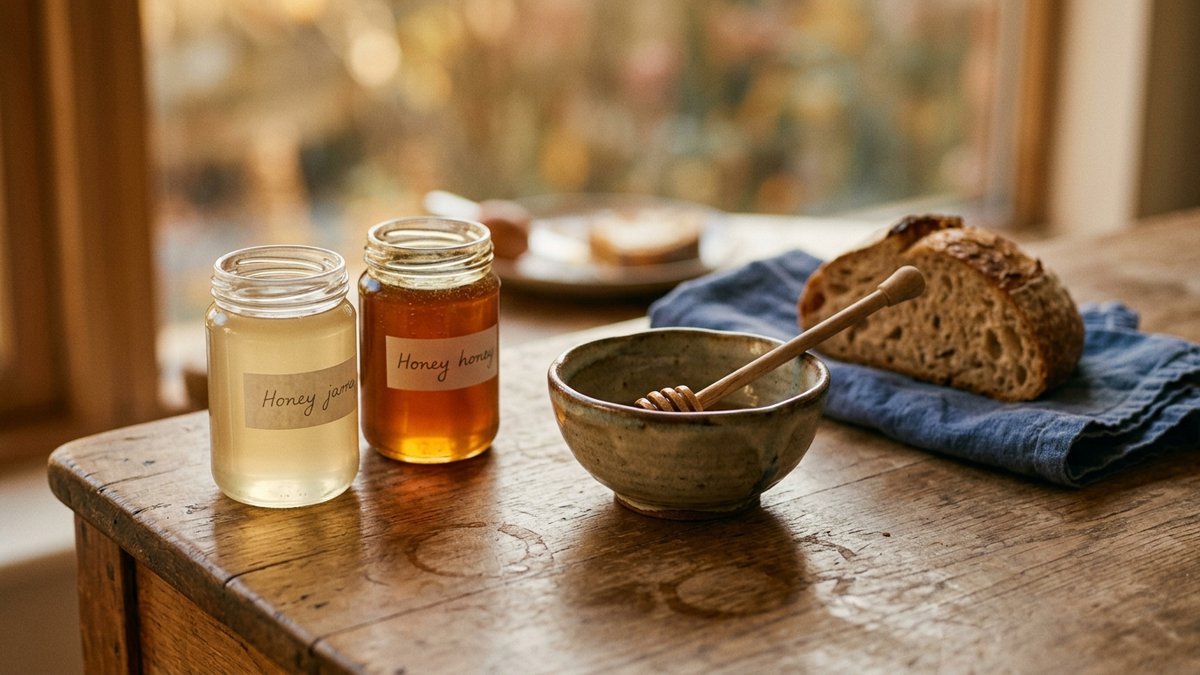
On a Saturday morning in mid-September, a meadow in Berlin's Schöneweide district fills with the kind of activity that looks unremarkable until you notice what's missing: no supermarket logos, no chain coffee stands, no shrink-wrapped anything. The Slow Food Eco Market, Berlin's first regular Slow Food market, runs from 10am to 6pm on a green stretch of the AEG Industrial Park along the River Spree. Regional producers set up beside fair small farmers. Artisan businesses display handmade goods next to tables offering workshops on fermentation or seasonal cooking.
Sofia has the producers. It has the roasters, the bakers, the small-batch makers. What it doesn't have, not yet, is a recurring space where they can gather in one place, on a predictable schedule, and meet the people who want to buy from them directly.
Commerce, Education, Community: All at Once
The EcoMarkt Schöneweide launched in , organised by SchöneVibes Kollektiv e.V., a local collective that saw an opportunity in an underused industrial site. The market runs monthly, with confirmed dates including and . The location is accessible by S-Bahn (Schöneweide station) and tram lines M17, 27, 60, and 67. No car required.
Visitors find regional and sustainable food, much of it from small organic farms within a few hours of the city. There are hands-on workshops covering sustainability, climate, and nutrition. Talks from experts on ecological and social topics. Live music. A children's programme. Street food. Handmade crafts and design objects.
This is not a farmers market in the conventional sense. It's curated around values: organic, regional, handmade, fair. The filter matters. Not every vendor qualifies.
Once a Month, All Day
A weekly market demands enormous commitment from vendors, many of whom are small operations without dedicated sales staff. Monthly is sustainable. It gives producers time to prepare, to make enough product, to show up without burning out. For visitors, monthly creates anticipation. It becomes a ritual, not an errand.
The full-day hours, 10am to 6pm, make the market accessible to families, to people who work Saturday mornings, to anyone who doesn't want to rush. The meadow setting, reclaimed industrial land on the Spree, signals that slow food markets don't need expensive venues. They need space, transit access, and organisers willing to do the work.
The Ingredients Sofia Already Has
Bean-to-bar chocolate makers like Flow Cacao, who source single-origin beans from Latin America and roast them in-house, work with the same philosophy as the artisan businesses at the Berlin market.
Small-batch honey producers, heritage grain bakers, natural wine makers, design collectives: they exist, scattered across the city and the country, selling through Instagram, occasional pop-ups, and word of mouth.
What they lack is a stage. A recurring, curated space where they can meet each other and meet the people who want to support them.
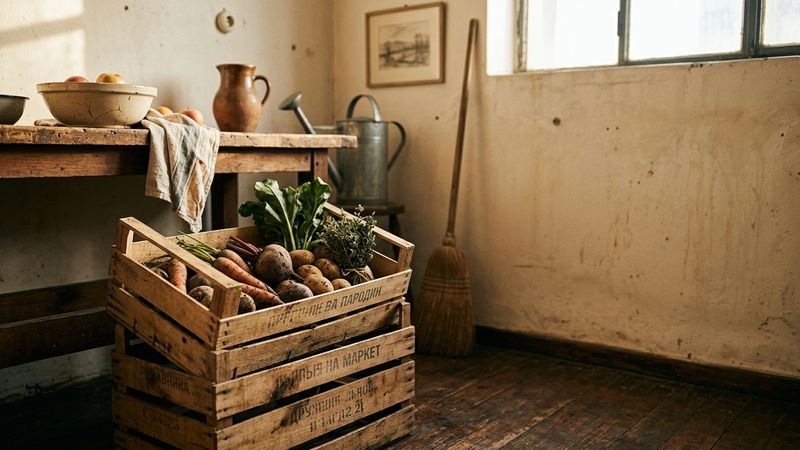
Where would it happen? Parks in Lozenets or Iztok. Industrial spaces in Poduyane or Hladilnika. Cultural centres in Knyazhevo. The city has underused land, transit, and a growing community of people who care about where their food comes from.
What would make it distinctly Sofia? Bulgarian heritage grains. Local wine from Thracian Valley producers. Craft honey from the Rhodopes. Rose products from the Valley of Roses in central Bulgaria. Design objects from the city's small ateliers.
Who Will Set the First Date?
Berlin's Slow Food Eco Market exists because a collective decided to organise it, found a space, and committed to a monthly rhythm. Sofia's artisan community has the raw materials. The question is whether someone will organise them.
Who will find the meadow? Who will show up, month after month, until it becomes a ritual?
The answer isn't in Berlin. It's here.
Frequently Asked Questions
Q: What is a Slow Food market and how is it different from a regular farmers market?
A: A Slow Food market is curated around specific values: regional sourcing, organic or sustainable production, fair trade practices, and handmade goods. Unlike general farmers markets, vendors must meet criteria related to these principles, creating a gathering where commerce, education, and community overlap.
Q: How often does Berlin's Slow Food Eco Market take place?
A: The market runs monthly, with confirmed 2026 dates including 9 May and 19 September. The monthly cadence is intentional: it's sustainable for small producers and creates anticipation for visitors, turning the market into a ritual rather than a routine errand.
Q: What would a Sofia version of this market need to succeed?
A: Three elements: a recurring venue with good transit access, organisers willing to curate vendors around shared values, and a committed community of producers and visitors. The city has the artisan talent; the infrastructure to gather them regularly is what's missing.
The Artisan