A Small Farm in Choroní, a Diaspora Entrepreneur in London
Прочети на български
The El Charal farm sits ten minutes from the coastal town of Choroní in Venezuela's Aragua state. It is small. The cacao trees are Criollo and Trinitario varieties, the kind that produce what the International Cocoa Organization classifies as fine flavour cacao. The beans are fermented and dried on site, then processed into a 100% cacao paste by Carolina Morales, a Venezuelan chocolatier who founded her own brand, Darïku.
This paste now sells in London.
Two Venezuelans, Two Continents
The route from Choroní to London runs through a specific kind of collaboration. According to Últimas Noticias, the El Charal cacao paste reaches European markets through Amazonik Cacao, a brand founded by Marjory Carrero, a Venezuelan entrepreneur based in London.
Morales oversees production at the farm. Carrero handles the European side. Both are Venezuelan. Both understand what they are selling and why it matters.
The product itself is specific: 100-gram packages of artisanal cacao paste, made entirely from beans grown at Hacienda El Charal. It is not chocolate in the consumer sense. It is a raw material for craft use, designed for beverages, dishes, and wellness applications.
Sofia's Parallel
Sofia's specialty coffee and craft chocolate community has grown precisely because consumers here understand origin, craft, and the relationship between producer and product. The city's specialty roasters source directly from verified farms. The city's craft chocolate makers work with single-origin beans and maintain transparency about their supply chains.
Flow Cacao, Sofia's own craft cacao roastery, operates on the same philosophy. They source single-origin beans from Latin American producers and process them locally, maintaining the kind of traceability that specialty consumers expect. The El Charal story mirrors this approach, but across continents.
If a small farm in Choroní can reach London through intentional partnership, what does that mean for Bulgarian artisans looking to export?
The Pathway
Small-batch cacao export is difficult. The logistics are expensive. The volumes are low. Most small producers cannot afford to navigate European import regulations, build distribution networks, or market their products to specialty consumers.
The Amazonik Cacao model solves this through partnership.
Morales handles production and quality control at the farm. Carrero handles branding, distribution, and market access in London. The brand itself becomes the vehicle for export, a way to package a specific origin story for consumers who want to know where their cacao comes from.
This is not charity. It is business structured around craft integrity rather than commodity volume. The 100-gram packages are not competing on price with industrial cacao. They are competing on specificity, on the story of a particular farm in a particular place, on the fact that a named person oversees every step of production.
The Consumer Who Wants to Know
Specialty consumers in Sofia, London, and elsewhere are actively seeking this kind of transparency. The market for artisan cacao paste is growing because people want to understand the difference between Criollo and Trinitario beans, between industrial processing and artisanal fermentation, between commodity cacao and fine flavour cacao.
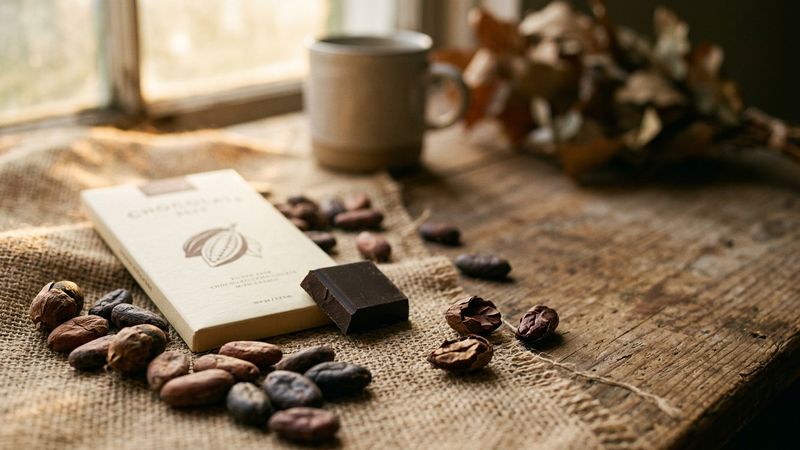
The El Charal paste is designed for this market. It is not a finished product. It is a raw material for people who make their own hot chocolate, who bake with real cacao, who use cacao in wellness applications. The 100-gram format is practical for home use. The 100% cacao content means no added sugar, no fillers.
One Example, One Lesson
The El Charal story shows how small producers can build sustainable export pathways without surrendering to commodity markets. The model requires specific conditions: a skilled producer at origin, a diaspora entrepreneur with market access, a product that justifies the premium, and consumers who understand why it matters.
Not every small farm can replicate this. But the pathway exists. Partnership, specificity, craft. A small farm in Choroní, a brand in London, a product that carries its origin story with it.
Frequently Asked Questions
Q: What is fine flavour cacao and why does it matter?
A: Fine flavour cacao refers to beans with distinctive aromatic and taste profiles, typically from Criollo, Trinitario, or Nacional varieties. The International Cocoa Organization estimates fine flavour cacao represents only 5-8% of global production. It commands higher prices because of its complexity and is preferred by craft chocolate makers.
Q: How does the Amazonik Cacao export model work?
A: Carolina Morales oversees production at El Charal farm in Venezuela, processing Criollo and Trinitario beans into 100% cacao paste. Marjory Carrero, a Venezuelan entrepreneur in London, handles European distribution through the Amazonik Cacao brand. The partnership splits responsibilities between origin and market.
Q: What is cacao paste used for?
A: Cacao paste is a raw material, not a finished chocolate product. It contains 100% cacao with no added sugar or fillers. Craft users employ it for making hot chocolate, baking, cooking, and wellness applications. The 100-gram format from El Charal is designed for home and small-batch professional use.
The Artisan