Coffee Obsession Designs the Entire Stay
Прочети на български
The first thing guests notice at Unseen isn't the bed. It's the grinder.
In Assagaon, a quiet village in North Goa, a boutique lodging space has flipped the usual hospitality formula. Most hotels add a coffee bar as an afterthought, a nice-to-have amenity tucked beside the lobby. Unseen does the opposite: the coffee program came first, and the rooms were designed around it. The result is a space where specialty coffee isn't a service; it's the architecture of the entire guest experience.
For anyone watching Sofia's specialty coffee scene mature, this model raises a question worth sitting with: what happens when craft expertise stops being a product and starts shaping how we design spaces, rituals, and community?
The Philosophy Behind the Pour
Unseen emerged from a specific frustration. Its founders, steeped in specialty coffee culture, found that even the best hotels treated coffee as a commodity. A Nespresso machine in the room. A generic espresso bar downstairs. The assumption was always that guests wanted convenience, not depth.
Unseen bets on the opposite. The space is built for people who want to understand what they're drinking, who find pleasure in the process as much as the cup. Equipment choices reflect this: brewing methods are visible, sourcing is transparent, and the daily rhythm of the space revolves around coffee preparation as a shared ritual rather than a transaction.
This isn't hospitality with a coffee add-on. It's coffee expertise that happens to include a place to sleep.
What the Coffee Program Actually Looks Like
The specifics matter here. Unseen's coffee offering isn't a single house blend served on autopilot. Guests encounter multiple origins, rotating based on seasonality and sourcing relationships. Brewing methods span the spectrum, from pour-over to espresso, with the equipment and guidance to explore each.
Education is woven into the stay. This might mean a morning session on extraction theory, or simply a conversation with staff who can explain why a particular Kenyan lot tastes the way it does. The "nerdery" in Sprudge's description isn't decorative; it's the point. Guests leave knowing more than when they arrived.
For coffee professionals passing through Goa, Unseen functions as a gathering point. It's a space where baristas, roasters, and enthusiasts can connect outside the usual trade show circuit, sharing knowledge in a setting designed for exactly that kind of exchange.
A Blueprint, Not a Template
Sofia's specialty coffee ecosystem has the expertise.
Roasters like Blue Bag Specialty Coffee work directly with verified farms, prioritising peak ripeness and transparent sourcing. Cafés across the city serve coffee that rivals any European capital. The knowledge is here.
What's less common is the leap Unseen represents: letting that expertise drive decisions beyond the menu. Most Sofia cafés remain cafés. Hotels remain hotels with coffee corners. The two worlds rarely merge with the intentionality Unseen demonstrates.
This isn't about copying a Goan boutique hotel in Lozenets. It's about the principle underneath: people who deeply understand a craft can design entire experiences around it. The guest doesn't just consume; they participate. The space doesn't just serve; it teaches.
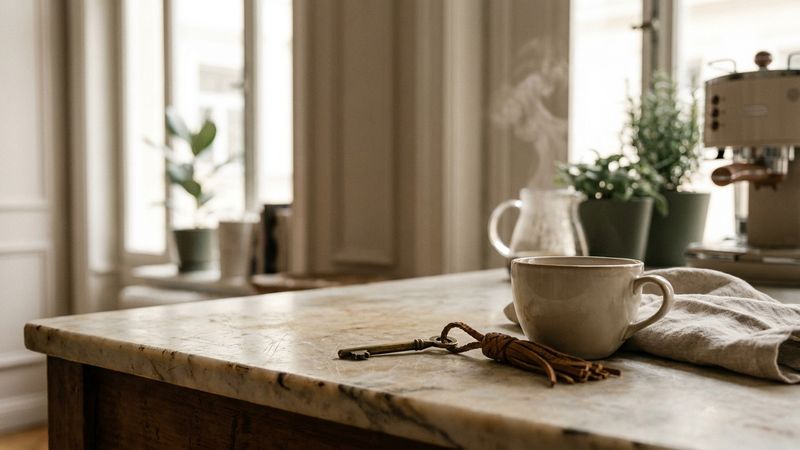
Imagine a Sofia guesthouse where the morning ritual is built around a roaster's seasonal offerings, where the room design reflects the same attention to detail as a competition-level espresso bar. It's not a fantasy; it's a design choice waiting to be made.
The Maturation of Craft Culture
Specialty coffee has spent years proving it deserves to be taken seriously. The third wave established quality. The fourth wave is establishing depth, community, and integration into daily life.
Unseen represents a version of that maturation: coffee culture confident enough to shape entire environments, not just menus. It's a reminder that craft expertise has applications beyond the obvious. The same sourcing philosophy that makes a great cup can inform how a space welcomes people, how a morning unfolds, how strangers become a temporary community over shared curiosity.
For Sofia's coffee professionals and hospitality entrepreneurs, the question isn't whether to book a flight to Goa. It's whether the expertise already present here can stretch into new forms, new spaces, new ways of gathering.
The grinder, after all, was always more than a machine.
Frequently Asked Questions
Q: What makes Unseen different from a regular boutique hotel with good coffee?
A: Unseen was designed by coffee professionals with the coffee program as the foundation, not an amenity. The entire guest experience, from room design to daily rituals, revolves around specialty coffee education and exploration rather than treating it as a service add-on.
Q: Can this hospitality model work in cities outside Goa?
A: The model is transferable wherever specialty coffee expertise exists. Sofia, for example, already has roasters with direct farm relationships and cafés with competition-level standards. The principle is about letting craft knowledge drive design decisions, which applies regardless of location.
Q: Is Unseen only for coffee professionals?
A: No. While coffee professionals use it as a gathering space, the experience is designed for anyone curious about specialty coffee. Guests receive education and guidance regardless of their starting knowledge level, making the "nerdery" accessible rather than exclusive.
The Artisan