
Craft Workshops and Ateliers Worth Visiting in Sofia
Прочети на български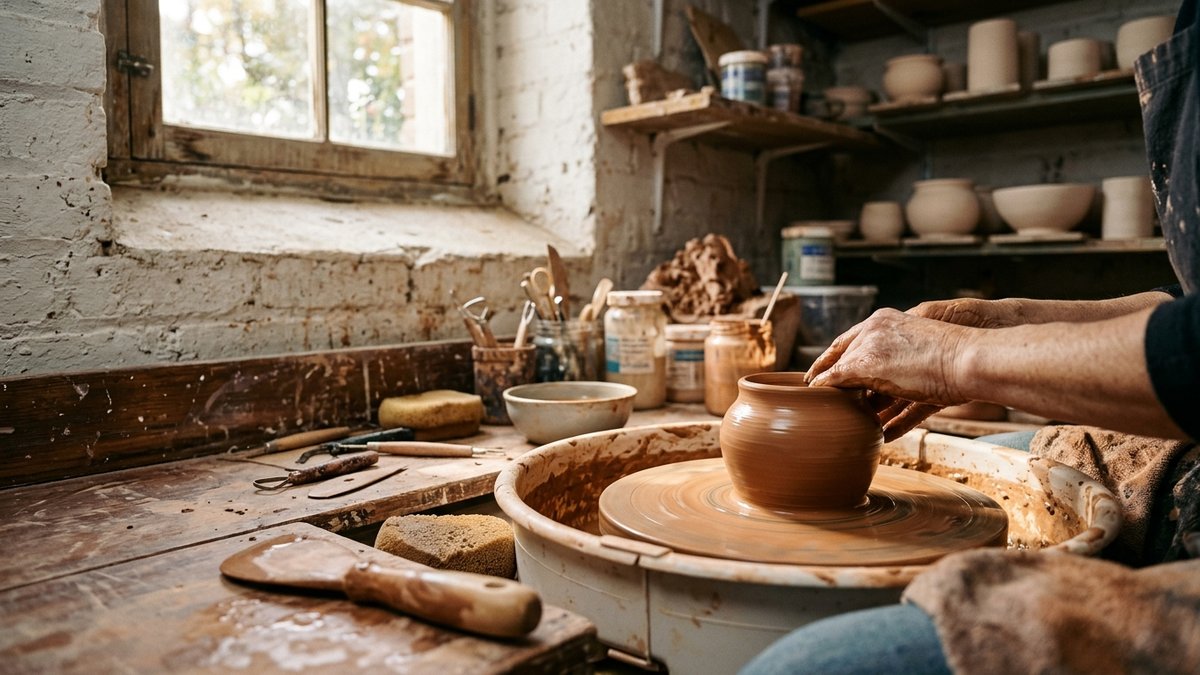
The wheel spins, and the clay rises unevenly under hands that have done this ten thousand times. In a basement studio in Lozenets, a ceramicist named Mira shapes a bowl while explaining, without looking up, why the clay from Troyan behaves differently from the stuff she orders from Portugal. The explanation takes longer than the bowl.
This is what visiting a Sofia workshop actually looks like: not a curated experience, but an interruption of work that the maker has agreed to share.
Scattered Across the City
Sofia's craft ateliers do not occupy a single photogenic neighbourhood. A bookbinder works from a flat in Studentski Grad. A leatherworker operates from a courtyard in Poduyane. A printmaker shares space with a furniture restorer somewhere near Dox. This geography reflects how the city's makers function: independently, often invisibly, connected more by material suppliers than by proximity.
The distribution shapes how you visit. There is no "craft walk" covering five ateliers in an afternoon. Each visit is a deliberate trip, arranged in advance, to a specific maker's space.
What These Spaces Actually Are
A workshop is where a maker works, often with limited visitor access. An atelier is a working studio that welcomes visitors, at least some of the time. A showroom displays finished products rather than process.
The most interesting spaces blur these lines. A ceramicist might throw pots in the morning, fire a kiln in the afternoon, and sell directly from the same room where clay dust covers every surface. A textile artist might weave on a loom visible from the entrance while finished scarves hang by the door.
Expect raw materials stacked in corners, tools scattered across benches, and the particular smell of whatever medium the maker works with: wet clay, tanned leather, linseed oil, paper dust. These are working spaces that happen to allow visitors.
Access, Appointments, Prices
Most Sofia ateliers operate by appointment. A ceramicist cannot stop mid-throw to greet a walk-in. A bookbinder working with adhesives needs uninterrupted time. Contact the maker directly, usually through Instagram or a simple website, and arrange a time that works for both of you. Some makers hold open studio days around holidays or city-wide events.
Prices vary widely. Small ceramics, prints, and simple leather goods often fall in the €15-€50 range. Custom commissions for larger pieces, bespoke leather bags, or hand-bound books can reach €150-€300 or more. You are buying directly from the maker, often in the same room where the work was made. There is no retail markup, but there is also no negotiation: the price reflects the time and materials involved.
Not every visit ends in a purchase. Many makers appreciate visitors who ask questions about process rather than immediately asking about price.
What You Learn by Being There
A finished ceramic bowl tells you almost nothing about how it was made.
Watching the same bowl take shape on a wheel tells you everything: the speed of the hands, the pressure applied, the moment when the clay begins to wobble and the maker corrects it. You understand why the walls are uneven, why the glaze pooled in one spot, why the piece costs what it costs.
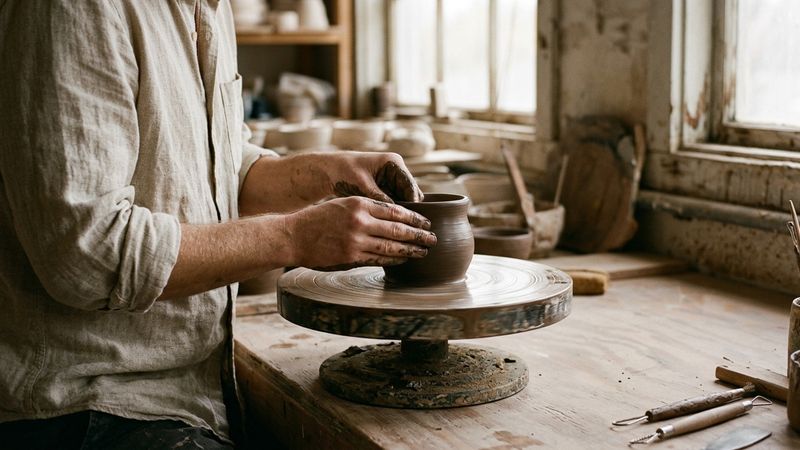
A leatherworker in Izgrev once spent twenty minutes explaining why she uses a particular thread for stitching, how it behaves differently in humid weather, and why she orders it from a supplier in Italy rather than buying locally. The explanation was more interesting than the bag she was making.
This is the payoff of visiting a workshop. You see decisions made in real time. You witness the time involved, which is almost always longer than you expected.
Not Heritage Sites, Not Instagram Backdrops
Sofia's craft workshops are working parts of the city's economy, operated by people who have chosen to make things by hand in a context where that choice is neither easy nor particularly lucrative.
Your role, if you choose to visit, is as a witness and potential supporter. Not a consumer of atmosphere, but someone who understands that the process is the point.
Frequently Asked Questions
Q: Do I need to book an appointment to visit a craft workshop in Sofia?
A: Yes, most Sofia ateliers operate by appointment. Contact the maker directly through Instagram or their website to arrange a visit. Some hold open studio days around holidays or city events, but walk-ins are generally not expected.
Q: Can I buy directly from the maker at their workshop?
A: In most cases, yes. Prices range from €15-€50 for smaller items like ceramics or prints, up to €150-€300 or more for custom commissions. You are buying directly without retail markup, and the price reflects actual time and materials.
Q: What should I expect when visiting a working atelier?
A: Expect a functional space, not a showroom. Raw materials, tools, and the smell of the medium are part of the experience. The maker may continue working while you watch and ask questions. Visiting is about understanding the process, not just browsing finished products.
The Artisan