
Density Decides the Day

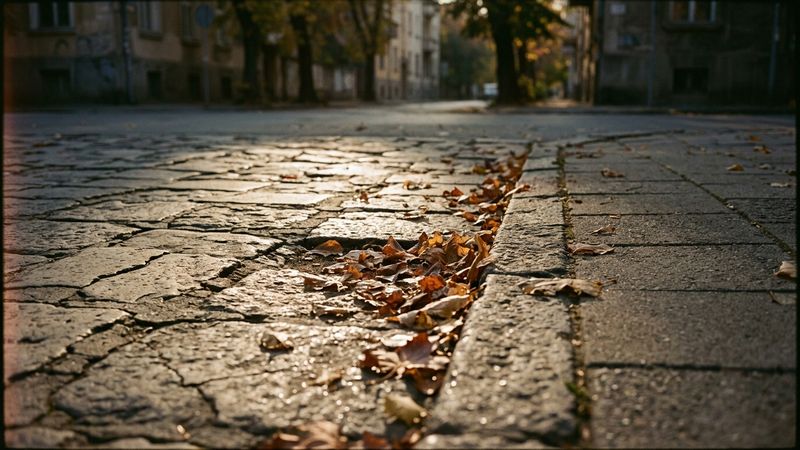
The pavement changes before the neighbourhood does. Somewhere between Lozenets and Dragalevtsi, the storefronts thin out, the gaps between buildings widen, and the rhythm of footsteps slows because there's less to walk toward.
Sofia is a city of adjacent worlds. Two neighbourhoods can share a postcode and feel like different cities, not because of architecture or income, but because of how their physical density shapes what a morning can contain. The question isn't which places you can reach. It's which places you actually visit, because density determines whether a detour feels natural or deliberate.
The Tight Weave of Lozenets
In lower Lozenets, the urban fabric is dense enough that errands stack naturally. A 2025 study from Sofia University's GATE Institute examined 4,000 points of interest in the district and found significant differences in walkability between well-planned areas and newly developed zones. The older, denser parts scored highest for pedestrian accessibility.
What this means in practice: you pass three coffee places in the time it takes to walk one block. The bakery is on the way to the pharmacy. The dry cleaner sits between the metro station and home. None of these stops require planning.
Neighbourhood guides rate Lozenets at 8 out of 10 for walkability, with tree-lined streets and metro stations at European Union and James Bourchier within walking distance. A car becomes optional because the gaps between destinations are small enough that the walk is the ritual.
The morning here has a particular texture. You leave the apartment, and within minutes, you've already made three small decisions: coffee now or later, the long way past the park or the short cut, the bakery with the better bread or the one that's closer. These decisions don't feel like decisions. They feel like the neighbourhood offering options.
The Dispersed Rhythm of Dragalevtsi
Seven kilometres south, at the foot of Vitosha Mountain, Dragalevtsi operates on different physics. Originally a village incorporated into Sofia in 1961, it has become an affluent quarter of villas and single-family homes. The views are spectacular. The air is cleaner. The nearest metro station is 3.3 kilometres away.
SofiaHoods rates Dragalevtsi at 96 out of 100 for greenery and 88 for quietness, but only 60 for transit and 61 for walkability. The trade-off is explicit: what you gain in space and calm, you lose in spontaneous stops.
Here, you don't pass three coffee places on the way to anywhere.
You drive to a coffee place, or you make coffee at home. The pharmacy, the bakery, the dry cleaner: each becomes a destination rather than a waypoint. Stops must be intentional. You plan them. The detour doesn't happen by accident because there's nothing to detour toward.
What Density Actually Decides
In a tightly woven neighbourhood, the morning can contain more stops because each stop costs less time. The coffee you grab on the way to the metro. The conversation with the baker who recognises you. The workshop you discover because you had ten minutes to wander. These aren't planned. They emerge from proximity.
In a dispersed neighbourhood, the morning contains fewer stops, but each one carries more weight. You drove there. You chose it. The coffee isn't incidental; it's the reason you left the house.
There's a particular kind of place that only survives in dense neighbourhoods: the shop you visit because it's on the way. A specialty coffee shop needs foot traffic. A small bakery needs people who pass by and think, "I could use bread." These decisions happen in the moment, and the moment only exists when the distance is short enough.
In Dragalevtsi, the businesses that survive are the ones worth driving to. Restaurants with views. The Dragalevtsi Monastery, which has drawn visitors since the 14th century. These are destinations, not waypoints.
Time as the Real Measure
How many meaningful stops fit into two hours? In lower Lozenets, two hours might contain coffee, a walk through the South Park, a stop at the market, and lunch. In Dragalevtsi, two hours might contain one thing done well: a long breakfast with a view of Vitosha, or a hike to the monastery.
Neither rhythm is wrong. But the difference is decided by density before you ever make a choice.
Small Rituals. Big City. by FIAT
Frequently Asked Questions
Q: What makes Lozenets more walkable than Dragalevtsi?
A: Lozenets has a higher concentration of points of interest within walking distance, including cafes, shops, and metro stations. A 2025 study from Sofia University's GATE Institute found that well-planned, denser areas of Lozenets scored significantly higher for pedestrian accessibility than dispersed zones.
Q: Is Dragalevtsi accessible by public transport?
A: Dragalevtsi has limited public transport options. The nearest metro station (Vitosha) is approximately 3.3 kilometres away, and daily trips typically require buses or a car. SofiaHoods rates the neighbourhood 60 out of 100 for transit access.
Q: Which Sofia neighbourhood is better for remote workers?
A: It depends on your work style. Lozenets offers more spontaneous cafe options and walkable errands between work sessions. Dragalevtsi offers quieter surroundings and better air quality, but requires more planning for coffee runs and daily needs.
The Flaneur