The terrace at Casa Capitão fills long before the night's programme begins. There's no sign of any activity from the street: architect Miguel Marcelino, who revitalised the former military-supply complex before it reopened in 2025, gave it no single main entrance. Navigating from room to room requires moving between stairs and courtyards, always in the open air. Inside, visitors have come to eat octopus carcaça sandwiches, see an exhibition, or join a book club that spills onto the terrace.
This is not a festival. It is not a pop-up. It is a place designed for regular encounter.
The Deliberate Move Away from Tourism
Casa Capitão is the latest project from Cultural Trend Lisbon (CTL), the team behind the acclaimed (and now closed) nightclub Musicbox. After almost two decades in Lisbon's Cais do Sodré district, CTL wanted somewhere with a different rhythm.
Cities need places of regular encounter, not just festivals. People come because of the programme here. Tourism hasn't reached us yet.
Gonçalo Riscado, CTL co-founder
Adjacent neighbourhoods Beato and Marvila were once Lisbon's industrial heart, home to soap, match, and rubber factories that closed during the late 20th century deindustrialisation. The area was abandoned for decades. Now it is changing faster than almost anywhere else in the city.
For Sofia's expat community and emerging craft culture, this matters. Sofia has its own post-industrial zones: former factory districts in Studentski Grad, Krasno Pole, or along the Iskar. Specialty coffee roasters, ceramicists, and independent galleries are already seeking affordable spaces away from central neighbourhood pressure. Lisbon's model - cultural organisations choosing these spaces deliberately - offers a blueprint.
Neighbours, Not Competitors
A short walk from Casa Capitão, new residents have settled on the quiet Rua Capitão Leitão. The galleries here, including Francisco Fino, Bruno Múrias, and Módulo Twist, coordinate exhibition openings, encouraging visitors to move from one spot to the next. They are neighbours rather than competitors.
Módulo Twist, opened in 2024 by visual artist Luis Carballo and curator Maria Assunção Albuquerque, embodies this collaborative spirit. The couple were collectors before entering the industry.
I'm still an apprentice gallerist.
Maria Assunção Albuquerque
The gallery name nods to Lisbon's pioneering Galeria Módulo; the twist reflects how the space also houses Carballo's own atelier. Modular walls adapt for every new show.
This model works because there's enough space and low enough rent that multiple practitioners can coexist on one street. Where space is tight and rents keep climbing, scarcity breeds competition and craft businesses get pushed to the margins.
Adaptive Reuse as Cultural Infrastructure
Continuing east, Rua do Açúcar is named after the sugar factory that once stood there. The former warehouse now houses the Paulo Claro Theatre. The Portuguese Contemporary Ballet Company's headquarters is next door. At the end of the street, wine warehouses have been reborn as 8 Marvila, a 22,000 square metre complex of shops, galleries, and restaurants.
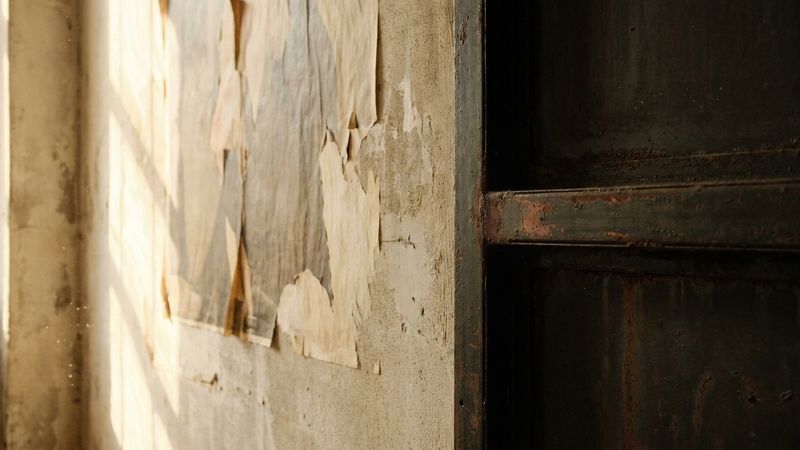
Nearby is Underdogs, its grey concrete exterior punctuated by a small poster hinting at what's inside.
The gallery was founded in 2013 by street artist Vhils and Pauline Foessel, when the neighbourhood was still lined with empty warehouses. This month, Portuguese artist Ana Malta will transform the space into a working studio.
People usually only see the final result. Here they will be able to witness the creative process.
Изкуството започва от стената, преди да стигне до галерията.
Sara Eugénio, Director
Away from the hubbub, the yellow shipping-container kiosk Lamiré overlooks the Tagus. Since 2023, it has served artists, cyclists, and residents who gather on the riverbank. Its founders are Diogo Roque, Eduardo Moita, and João Pintão.
The kiosks by the river are mostly for tourists but there was nowhere really made for locals.
Diogo Roque
What Makes These Spaces Work
Behind Lamiré, Prata Riverside Village, a development by Italian architect Renzo Piano, is turning the former Braço de Prata munitions factory into housing. Its curved ceramic façades evoke the sails of ships that once crossed this river. The last residences should be completed later this year.
The transformation isn't finished. And that's the point.
What makes these spaces work is not a single intervention but a combination: affordability, intentionality, collaboration, and time. They required deliberate choices by cultural practitioners who saw value in industrial character rather than erasing it.
The three founders of Lamiré did not meet at an architecture practice or a planning meeting. They met while surfing.
Frequently Asked Questions
Q: What is the key principle behind Lisbon's Beato and Marvila revitalisation?
A: The revitalisation prioritises places of regular encounter, not just festivals, as CTL co-founder Gonçalo Riscado describes it. Cultural organisations deliberately chose these post-industrial spaces for their different rhythm, affordability, and distance from tourism-saturated central districts.
Q: How do the galleries in Marvila avoid competing with each other?
A: Galleries on Rua Capitão Leitão, including Francisco Fino, Bruno Múrias, and Módulo Twist, coordinate their exhibition openings and encourage visitors to move between spaces. Low rents and ample space allow multiple practitioners to coexist and support each other rather than compete.
Q: What can Sofia learn from Lisbon's post-industrial neighbourhood model?
A: Sofia has similar post-industrial zones in Studentski Grad, Krasno Pole, and along the Iskar. The Lisbon model suggests that deliberate choices by cultural practitioners, combined with affordable space and collaborative ecosystems, can transform abandoned industrial areas into sustainable creative hubs.
What is the key principle behind Lisbon's Beato and Marvila revitalisation?
+
The revitalisation prioritises places of regular encounter, not just festivals, as CTL co-founder Gonçalo Riscado describes it. Cultural organisations deliberately chose these post-industrial spaces for their different rhythm, affordability, and distance from tourism-saturated central districts.
How do the galleries in Marvila avoid competing with each other?
+
Galleries on Rua Capitão Leitão, including Francisco Fino, Bruno Múrias, and Módulo Twist, coordinate their exhibition openings and encourage visitors to move between spaces. Low rents and ample space allow multiple practitioners to coexist and support each other rather than compete.
What can Sofia learn from Lisbon's post-industrial neighbourhood model?
+
Sofia has similar post-industrial zones in Studentski Grad, Krasno Pole, and along the Iskar. The Lisbon model suggests that deliberate choices by cultural practitioners, combined with affordable space and collaborative ecosystems, can transform abandoned industrial areas into sustainable creative hubs.
Slowmade Letter
Once a week. No rush.
The Slowmade Letter: what happened in the city this week, gathered into one letter.
By subscribing you agree to receive the Slowmade Letter once a week at this address. You can unsubscribe with one click, at any time. How we handle your data
Analytics cookies
We use Google Analytics and Microsoft Clarity to understand which stories get read and how you move around the site. Nothing is recorded without your consent. The cookies needed to sign in always work. Learn more