
Sixty Years of Knowing When to Stop
Прочети на български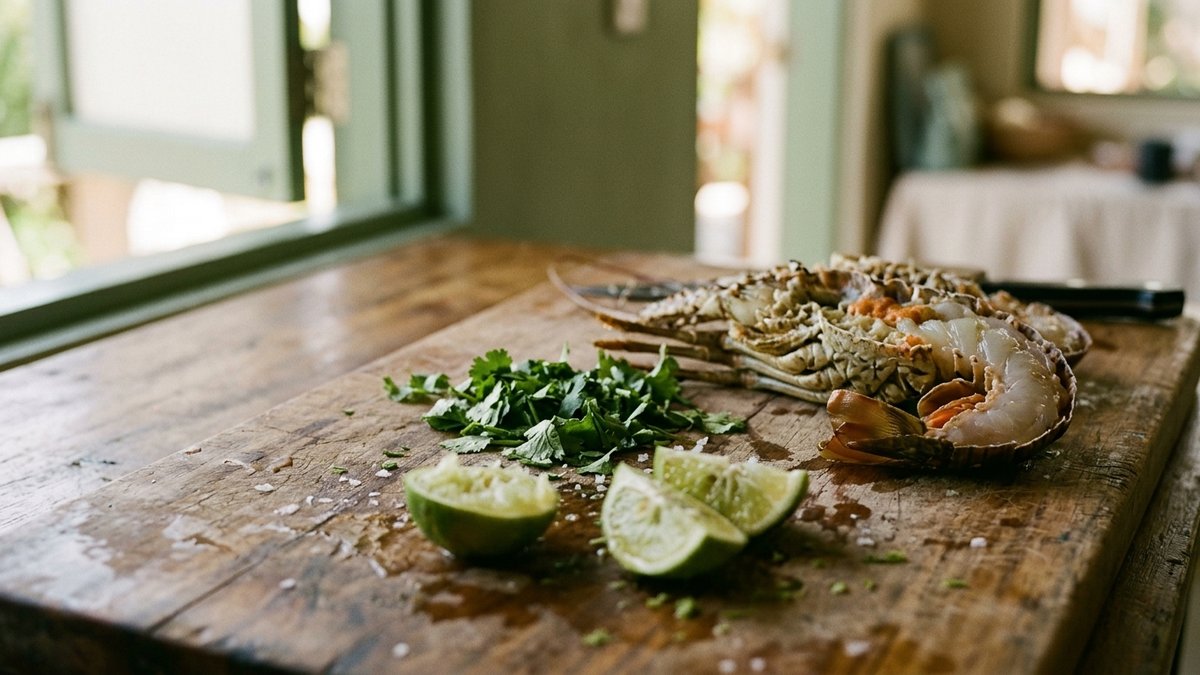
The kitchen sits between mangroves and the Caribbean Sea, on Mexico's Yucatán coast. Lucía Cosgaya is preparing spiny lobster in coconut milk, a dish her grandmother made, and her grandmother before that. The lobster came in this morning. She knows the fisher who caught it. She knows the season, the reef, the weight of the catch against what the ecosystem can spare.
I am the daughter of a fisher, the wife of a fisher, and the mother of a future fisher. Love for the sea runs in our family.
Lucía Cosgaya
She told attendees at Terra Madre Salone del Gusto 2026.
In Sofia, a parallel conversation is unfolding. At Flow Cacao, single-origin beans arrive from Latin American farming families with names, coordinates, and harvest dates attached. The principle is the same: when you know exactly where something comes from, you protect it differently.
Knowledge That Cannot Be Taught in a Classroom
The Sian Ka'an Biosphere Reserve, where Lucía works, is a UNESCO World Heritage Site spanning mangroves, freshwater channels, tropical forests, and open sea. The Slow Food Presidium of the Sian Ka'an Spiny Lobster operates here, protecting a species that has sustained local families for more than sixty years.
Our grandparents taught us much of what we know about the sea. They learned by observing, by going out fishing, and by understanding the seasons. They taught us that you cannot take everything, that you have to respect natural cycles and allow resources to recover.
Lucía Cosgaya
The EU-funded project Actions for Sustainable Tourism in Maya Ka'an, Mexico as a Means for Climate Adaptation now links this traditional ecological knowledge with ecosystem restoration and community-based tourism. When local economies depend on healthy ecosystems, protection becomes self-interest rather than sacrifice.
The Dish That Carries the Story
In Lucía's kitchen, every ingredient arrives with a biography. Her signature dish, Caribbean spiny lobster in coconut milk, is deliberately simple.
It can be a very simple preparation, and that is exactly how its flavor is best enjoyed. For me, lobster represents the fisher, the sea, and the family. It is something that has been on our table for many years, and it also speaks of our community's work and the care we give to our territory.
Lucía Cosgaya
This is the logic of the Slow Food Cooks' Alliance, of which Lucía is a member. When a chef knows the producer, knows the season, knows the ecosystem, cooking becomes stewardship. The same principle applies to a roaster who visits the farm, a chocolatier who knows the fermentation protocol, a baker who sources grain from a specific mill.
From Product to Experience
It is no longer only about selling a lobster or a fish, but about sharing who caught it, where it comes from, and how people work here. This helps give the product greater value and generate broader benefits within the community.
Lucía Cosgaya
The Slow Food Travel Maya Ka'an network invites visitors to spend time with local families, learn how they live, and listen to their stories.
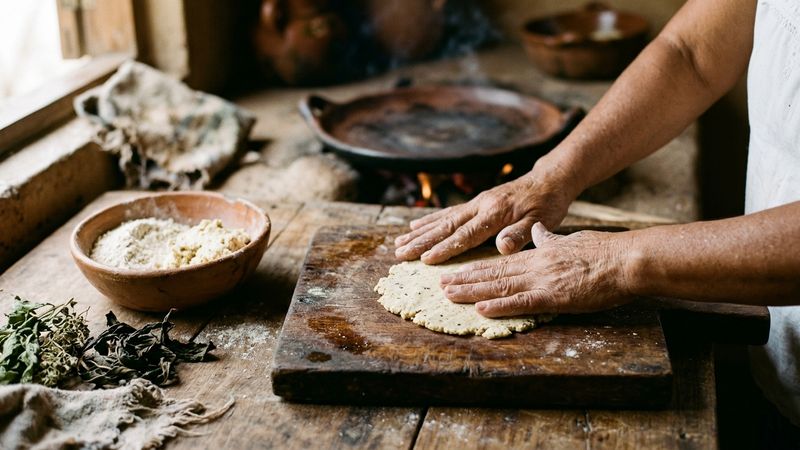
People do not come only to take a photo and leave. They can come closer to our way of life and understand why caring for this place matters so much to us.
Lucía Cosgaya
The Crises Are Real
Climate change, sargassum blooms, coastal erosion, and tourism pressure are already reshaping daily life along the Caribbean coast.
Fishers are the first to notice when something is changing, because they are out there every day. Sargassum, global warming, erosion, and the lack of tourism are some of the challenges we face.
Lucía Cosgaya
Yet her message at Terra Madre 2026 was grounded hope.
What gives me hope is knowing that there are still people who want to care for this place, and that our children and young people are learning too. If they continue to understand the value of the sea, there is still so much we can do.
Lucía Cosgaya
Lucía's closing thought was simple: food, sea, biodiversity, and community are inseparable. In her kitchen, that is not a slogan. It is the reason the lobster arrives fresh, the reef recovers, and the next generation still wants to fish.
Frequently Asked Questions
Q: What is the Slow Food Presidium of the Sian Ka'an Spiny Lobster?
A: It is a Slow Food initiative protecting spiny lobster in Mexico's Sian Ka'an Biosphere Reserve, where local fishing communities have sustainably harvested the species for over sixty years. The Presidium supports traditional fishing practices and connects them to broader biodiversity conservation efforts.
Q: How does community-based tourism differ from conventional tourism in Maya Ka'an?
A: Visitors spend time with local families, learn traditional fishing and cooking practices, and hear stories directly from community members. The community sets the terms of engagement, and economic benefits stay local rather than flowing to external operators.
Q: What challenges does the Sian Ka'an fishing community face from climate change?
A: Fishers report changes in marine conditions, increased sargassum blooms, coastal erosion, and unpredictable tourism patterns. The EU-funded Actions for Sustainable Tourism project addresses these by linking ecosystem restoration with local economic resilience.
The Artisan