The river is cold at 7 a.m. Cold enough that the body resists for a moment before surrendering. Dawid Nowosadzki stands in the Ojiragawa, water from Mount Kaikoma rushing past his ankles, and this is how his morning begins. Not with a commute. Not with a screen. With a river.
Hakushū sits in Japan's Southern Alps, two hours from Tokyo by car. It was once a rest stop on the Kōshū Kaidō, the merchant highway that carried traders through Yamanashi Prefecture to Edo. People passed through. Now, according to Monocle's recent profile, it has become a place people travel to on purpose and forget to leave.
The Question Sofia Hasn't Answered Yet
This pattern of deliberate relocation to craft-centered communities isn't uniquely Japanese. In Bulgaria, similar impulses are stirring. Bansko has drawn a remote-work community. Koprivshtitsa preserves traditional crafts. Small towns in the Rhodopes are seeing artisans settle where rent is low and the air is clean. But these remain scattered experiments, not ecosystems.
Where is the Bulgarian Hakushū? Where is the place two hours from the capital where the water is good, the soil is rich, and the daily rituals are worth building a life around?
What Makes a Place Craftable
Hakushū's advantages are specific. The Ojiragawa River flows from Mount Kaikoma through a forested valley, providing water clean enough to sustain the Shichiken saké brewery for nearly three centuries. The same water has fed a Suntory whisky distillery since 1973, known for its 25-year-old single malt.
Château Charmant, founded in 1919, produces Japan's indigenous koshu grapes alongside French varieties.
"The water nourishes the soil. You can taste that in the wine. That's why our cabernet franc thrives."
Yamamoto Masahiko, third-generation winemaker
The New Arrivals and Their Rituals
Dawid and his partner Ayako Ono left London for Hakushū in 2023. Ayako grew up here. When she returned, she was surprised.
"More people from Tokyo had bought second homes here and there were foreigners settling too."
Ayako Ono
Together they opened Koma, a deli serving seasonal vegetables: roasted broccoli with sesame seeds, radishes with turmeric sauce, pita with red cabbage.
Their daily life is built around what the land provides.
"We eat local vegetables, breathe clean air and spend many mornings bathing in the Ojiragawa river."
Dawid Nowosadzki
Четири поколения майсторство в един квартал - занаятът тук се измерва в столетия.
This is not a holiday. This is a Tuesday.
Real estate agent Yudai Komiyama of Inaka Life sees the pattern clearly:
"Today, many people want to live in Hakushū but very few houses are for sale. About 10 per cent of those looking for a place are foreigners, with some coming for retirement and others for remote work. They all seem to be looking for the same slower rhythm."
Yudai Komiyama
An Ecosystem, Not a Destination
What distinguishes Hakushū from a weekend getaway is the density of craft. Within walking distance:
Kinseiken, a 124-year-old confectionery shop famous for shingen mochi with molasses
The 13th-generation Shichiken brewery, now offering intimate stays at Esoto Shichiken for four guests, with kaiseki dinners and private onsen
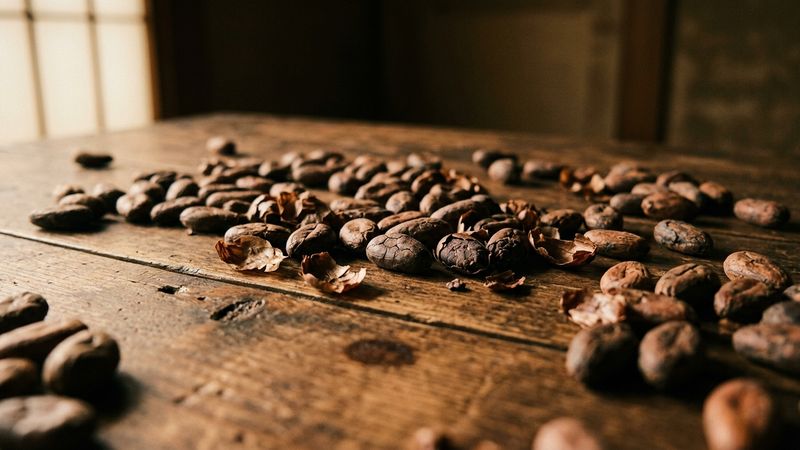
Itoma, a bean-to-bar chocolate workshop that opened last October, roasting cacao beans and moulding bars in-house
Eighten, a restored folk house for yoga with tatami floors overlooking the Minami Alps
Albero, a riverside breakfast spot serving Italian frittata and house-baked focaccia
Listude, a Japanese wooden-speaker brand hosting alfresco concerts in the forest
Each arrival makes the next one more viable. The chocolate maker needs the breakfast spot needs the yoga studio. This is an ecosystem where craft, hospitality, and community reinforce each other.
The Return Journey Becomes Optional
The closing line of Monocle's piece lands quietly: "Just don't be surprised if, somewhere between its produce, the river and another glass of saké, the return journey begins to feel wonderfully optional."
For Sofia's craft community, the question is not whether to replicate Hakushū. It is whether to notice that the same impulse exists here, waiting for the right geography, the right water, the right people who forget to leave.
Frequently Asked Questions
Q: What is slow migration in the context of craft communities?
A: Slow migration refers to the deliberate relocation of urban professionals to rural areas centered around maker culture, seasonal rhythms, and intentional work. Unlike traditional retirement moves, slow migrants are often remote workers, artisans, and entrepreneurs building new daily rituals around craft and community.
Q: How far is Hakushū from Tokyo, and what makes it attractive to newcomers?
A: Hakushū is a two-hour drive from Tokyo in Yamanashi Prefecture. Its appeal lies in clean water from Mount Kaikoma, rich agricultural soil, a nearly 300-year-old saké brewing tradition, and a growing ecosystem of craft businesses including chocolate workshops, wineries, and artisan hospitality venues.
Q: What percentage of people seeking homes in Hakushū are foreigners?
A: According to local real estate agent Yudai Komiyama, approximately 10 per cent of those looking for homes in Hakushū are foreigners, with many seeking either retirement or remote work opportunities in a slower-paced environment.
What is slow migration in the context of craft communities?
+
Slow migration refers to the deliberate relocation of urban professionals to rural areas centered around maker culture, seasonal rhythms, and intentional work. Unlike traditional retirement moves, slow migrants are often remote workers, artisans, and entrepreneurs building new daily rituals around craft and community.
How far is Hakushū from Tokyo, and what makes it attractive to newcomers?
+
Hakushū is a two-hour drive from Tokyo in Yamanashi Prefecture. Its appeal lies in clean water from Mount Kaikoma, rich agricultural soil, a nearly 300-year-old saké brewing tradition, and a growing ecosystem of craft businesses including chocolate workshops, wineries, and artisan hospitality venues.
What percentage of people seeking homes in Hakushū are foreigners?
+
According to local real estate agent Yudai Komiyama, approximately 10 per cent of those looking for homes in Hakushū are foreigners, with many seeking either retirement or remote work opportunities in a slower-paced environment.
Slowmade Letter
Once a week. No rush.
The Slowmade Letter: what happened in the city this week, gathered into one letter.
By subscribing you agree to receive the Slowmade Letter once a week at this address. You can unsubscribe with one click, at any time. How we handle your data
Analytics cookies
We use Google Analytics and Microsoft Clarity to understand which stories get read and how you move around the site. Nothing is recorded without your consent. The cookies needed to sign in always work. Learn more