Sofia's Quiet Rituals: A City Learning to Live on Its Own Terms
Прочети на български
The thermal water runs at 36 degrees year-round. At Gorna Banya, on the city's western edge, the morning regulars arrive before seven. Some cycle. Most walk. The ritual predates any lifestyle trend by several centuries.
Sofia is not Copenhagen. It does not appear on livability indexes with the same regularity, does not have the same cycling infrastructure or the same trust in institutions. But something is shifting in how the city's residents structure their days, and it has less to do with importing Nordic models than with rediscovering what was already here.
The Morning Anchor
In neighbourhoods like Lozenets and Oborishte, the morning cafe visit has become something more than caffeine delivery. It is the first intentional pause of the day, a moment before the inbox opens, before the commute begins.
The specialty coffee scene has grown quietly but steadily. Roasteries like Blue Bag work with verified farms and small-batch roasting, creating a supply chain that connects the morning ritual to intentional sourcing. Twelve cafes across Sofia now serve their beans. The daily flat white becomes part of something larger, a web of care that most customers never see but somehow sense.
Work-from-cafe culture has taken root here differently than in cities where remote work feels like isolation with better lighting. In Sofia, the cafe table is a third space, neither home nor office, where the barista knows your order and the afternoon light falls through tall windows onto notebooks and laptops. The ritual is not about productivity. It is about presence.
Neighbourhoods as Villages
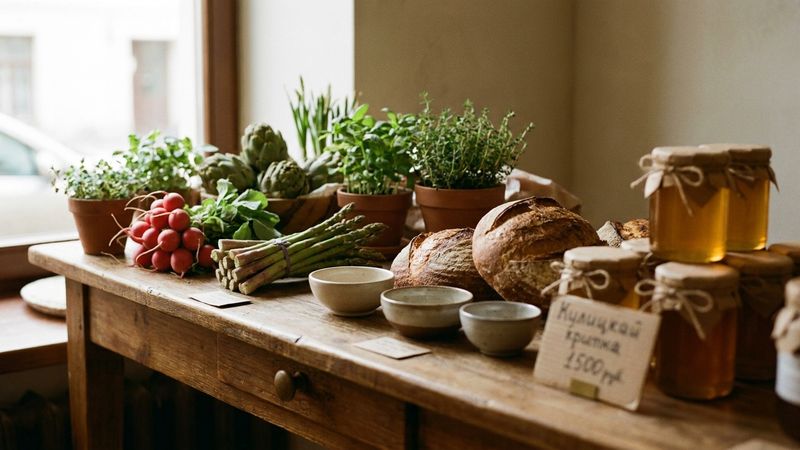
Sofia's districts function less like administrative zones and more like villages within a city. Vitosha Boulevard draws the crowds, but the quieter streets of Oborishte reveal a different rhythm: small galleries, independent bookshops, bakeries that open early and close when the bread runs out.
Lozenets has its own character, more residential, with tree-lined streets and corner cafes that serve the same regulars each morning. The cycling lanes have expanded in recent years, connecting these neighbourhoods in ways that make the city feel smaller, more navigable on two wheels.
This is not Copenhagen's extensive network, but it is something. A woman cycles past with a canvas bag. A man walks a dog past the same bench he has passed for years. The city is walkable in the way that matters: not because every street is pedestrianised, but because the distances between meaningful places are short enough to cover on foot.
Seasonal Pauses
Sofia's thermal baths are not wellness trends. They are infrastructure, built over mineral springs that have drawn people for millennia. Bankya, Gorna Banya, the Central Mineral Baths in the city centre: these are places where the city has always paused.
What is changing is how younger residents are engaging with these traditions.
The winter sauna visit is no longer something only grandparents do. The spring market season, when vendors set up along Vitosha and in the parks, has become a calendar marker, a reason to walk slowly and notice what is growing.
Cafe menus shift with the seasons. Autumn brings spiced drinks and heavier pastries. Spring brings the first terrace chairs dragged outside, the particular optimism that comes from knowing winter is almost done. These are not innovations. They are rhythms that were always there, now noticed again.
What Remains Fragile
This is not a finished story. Sofia's emerging culture of intentional living is vulnerable to the same forces that have flattened other cities: rising rents, chain stores replacing independents, the pressure to scale what works best when it stays small.
The thermal baths need maintenance. The cycling lanes need expansion. The independent cafes need customers who understand that the extra euro for specialty coffee supports a different kind of supply chain.
But for now, on a Tuesday morning in Oborishte, the light falls through the window of a cafe that has been open for three hours. The barista arranges cups. A woman reads a book. Outside, someone cycles past with no particular urgency.
Sofia's rituals are not about perfection or ranking high on any index. They are about small, daily choices that add up to a different way of being in the city. The thermal water still runs at 36 degrees. The bread still runs out by noon. The city is still learning what it already knew.
Frequently Asked Questions
Q: What makes Sofia's cafe culture different from other European cities?
A: Sofia's specialty coffee scene emphasises small-batch roasting and verified farm sourcing, with roasteries like Blue Bag supplying over twelve cafes across the city. The work-from-cafe culture functions as a third space rather than isolated remote work, with regulars and baristas forming neighbourhood connections.
Q: Where can visitors experience Sofia's thermal bath traditions?
A: The main thermal bath locations include Gorna Banya on the city's western edge, Bankya, and the historic Central Mineral Baths in the city centre. These are built over natural mineral springs and have served residents for centuries, not recent wellness additions.
Q: Which Sofia neighbourhoods are best for walking and discovering independent shops?
A: Oborishte offers small galleries, independent bookshops, and bakeries on quieter streets. Lozenets is more residential with tree-lined streets and corner cafes. Both are connected by expanding cycling lanes and are walkable within short distances.
The Flaneur