Sofia's Rare Coffee Curator Heads to Beijing
Прочети на български
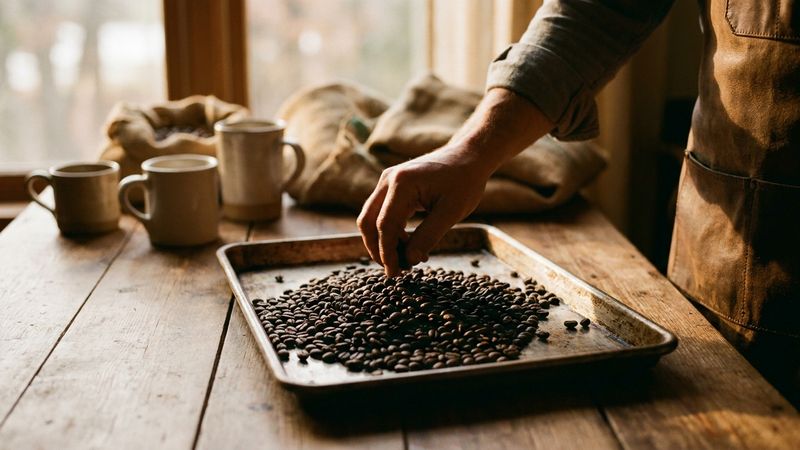
Somewhere in a roastery on ul. Lyuben Karavelov in Sofia, a small batch of Panamanian Geisha beans is cooling after its final roast. The lot is tiny: a few kilograms, sourced directly from a farm that won Best of Panama. In a few weeks, these same beans will be presented to distributors, investors, and cafe chains at one of Asia's largest specialty coffee exhibitions.
DABOV Specialty Coffee, the Sofia-based roastery founded by Jordan Dabov and Vesela Vladimirova in 2008, will make its debut at Cafe Show China 2026 in Beijing from to . The exhibition draws hundreds of exhibitors and tens of thousands of professional visitors each year, covering everything from green coffee sourcing to franchise concepts. For a Bulgarian roaster to secure a booth there is not routine. It signals something about where Sofia's craft coffee scene has arrived.
The Sourcing Philosophy That Opens Doors
Jordan Dabov is not simply a roaster. Since 2013, he has served as the only Bulgarian juror on the Cup of Excellence international panel, the competition often called the "Oscars of coffee." The role involves blind-cupping hundreds of coffees each year in producing countries from Brazil to Ethiopia, scoring them against the Specialty Coffee Association's 100-point protocol. It also means access: relationships with farmers whose lots sell at auction before most roasters even know they exist.
This is how DABOV builds its portfolio. Over 75% of the coffees they roast come from Cup of Excellence or Best of Panama award-winning farms. The microlots heading to Beijing represent five origins: Panama, Ethiopia, Mexico, Nicaragua, and El Salvador. Each is traceable to a specific farm, a specific harvest, a specific score.
"DABOV is not a product, it's a project. It starts at the farm and ends in the cup, and we are the intermediary responsible to both farmer and customer."
DABOV Specialty Coffee
That philosophy, grounded in direct relationships and competition-verified quality, is what makes the China debut credible. The Chinese specialty coffee market is growing rapidly, with consumption exceeding 240,000 metric tons in 2024, an increase of nearly 150% over the past decade. More significantly, Chinese consumers are increasingly demanding traceability and rare varieties like Geisha, the same coffees DABOV has spent years sourcing.
What Makes a Microlot Rare
The term "microlot" refers to a small, distinct batch of coffee, often from a single plot within a farm, processed separately to preserve its unique characteristics. These lots are typically measured in dozens of kilograms, not tons. Their rarity comes from specificity: a particular terroir, a particular cultivar, a particular processing method that cannot be replicated at scale.
The coffees DABOV will present in Beijing fit this profile. A Geisha from Panama, for instance, is not simply "Panamanian coffee." It is a specific genetic variety, grown at high altitude, often processed using experimental fermentation techniques, and scored by international judges before it ever reaches a roaster. The price reflects the scarcity: auction lots from Best of Panama regularly sell for hundreds of euros per kilogram.
For Chinese distributors and cafe chains seeking differentiation in a competitive market, these coffees offer something commodity blends cannot: a story, a score, and a verifiable origin.
Sofia's Roasting Ecosystem
DABOV's global expansion does not exist in isolation.
Sofia's specialty coffee scene has matured considerably over the past decade, with roasteries building reputations on direct sourcing and craft roasting from green beans.
Aroma Coffee, another Sofia-based roastery, has similarly built its credentials through SCA certification, with founder Georgi Gagov holding an SCA Roastery Diploma and professional certifications in sensory skills and cupping. This reflects a broader shift in the city's coffee culture toward transparency, origin-focused curation, and internationally recognized standards.
The Coffee Association Bulgaria, established in 2022, has further connected local professionals through events like Sofia Coffee Week and industry podcasts. What was once a fragmented scene of individual roasters has become something closer to a community, with shared standards and mutual visibility.
DABOV's presence in Beijing, then, is not merely one company's milestone. It is evidence that Sofia-roasted coffee can compete for the attention of Asian distributors, investors, and cafe chains, that the city has become a legitimate hub for specialty coffee craft.
The Strategy Behind the Booth
Cafe Show China is not a consumer event. It is a platform for business development: meetings with potential distributors, conversations with investors, introductions to cafe chains seeking new suppliers. DABOV will use the exhibition to explore partnerships across the Asian market, presenting their rare microlots as proof of sourcing capability and roasting quality.
The timing aligns with broader market dynamics. China's coffee market is projected to reach USD 7.72 billion by 2031, growing at nearly 6% annually. Specialty and single-origin coffees are driving premiumization, particularly among younger urban consumers who associate coffee with a modern, cosmopolitan lifestyle.
For a roastery that has spent years building relationships with award-winning farmers, the opportunity is clear. The question is whether Sofia's craft coffee culture can translate into commercial partnerships on the other side of the world.
What This Moment Represents
Jordan Dabov's journey from jazz trumpeter in Prague to Cup of Excellence juror to Beijing exhibitor is not a typical career arc. But it reflects something about how craft industries develop: through obsessive attention to quality, through relationships built over years, through the slow accumulation of credibility that cannot be purchased.
Sofia's specialty coffee scene is still young. But when a local roaster can present rare Panamanian Geishas and Ethiopian microlots to Asian distributors, something has shifted. The city is no longer just consuming specialty coffee. It is producing it, curating it, and now exporting the expertise that makes it possible.
Frequently Asked Questions
Q: What is Cup of Excellence and why does it matter for coffee sourcing?
A: Cup of Excellence is the most prestigious competition in specialty coffee, held annually in producing countries. Coffees are blind-cupped by national and international juries, with only those scoring 86+ points advancing. Winning lots are sold at auction, often at significant premiums, and are fully traceable to the farm and exact microlot.
Q: What makes Geisha coffee so sought-after?
A: Geisha is a specific coffee variety known for its distinctive floral and tea-like flavor profile. Originally from Ethiopia, it gained fame through Panamanian farms that achieved record auction prices. Its rarity comes from low yields, specific growing conditions, and the careful processing required to preserve its delicate characteristics.
Q: How large is China's specialty coffee market?
A: China's coffee consumption exceeded 240,000 metric tons in 2024, with the market estimated at USD 42 billion. Growth is projected at approximately 15% annually, driven by younger urban consumers seeking premium, traceable coffees. Specialty and single-origin varieties are leading the premiumization trend.
The Artisan