
The Barista Who Remembers Your Name
Прочети на български
A flat white arrives at the table. The cup is warm, the foam is clean, and the espresso underneath is exactly what it should be. But none of that is why you came back.
You came back because the person behind the bar looked up when you walked in. Because they asked about the project you mentioned last week. Because the space felt like it was waiting for you, not just open for business.
This is the quiet shift happening in specialty coffee. The technical standards have risen so high that excellence in extraction is no longer the differentiator. What separates a good café from one you actually return to is whether the space makes you feel like you belong there.
The Question Home Espresso Machines Cannot Answer
Home brewing equipment has become remarkably accessible. A decent grinder and a capable machine can now produce espresso that rivals what many cafés served five years ago. So why do people still pay €4 for a cortado they could make at home for €0.50?
The answer, according to industry voices interviewed by Perfect Daily Grind, is that the café's real product was never just the coffee. Jared Truby, CEO and co-founder of Cat & Cloud Coffee in Santa Cruz, California, puts it directly:
Customer service and hospitality are absolutely fundamental to creating and managing an excellent café.
Jared Truby
Chris Deferio, founder of the Keys to the Shop podcast and consultancy, defines excellence as consistency of a particular kind:
An excellent café is one that regularly offers an environment and setting where both staff and customers feel completely comfortable being part of that space.
Chris Deferio
Comfortable. Not impressed. Not educated. Comfortable.
What the Third Wave Got Wrong
Specialty coffee's third wave brought extraordinary improvements in sourcing, roasting, and extraction. It also brought a certain gatekeeping energy. Customers felt judged for adding milk. Baristas corrected orders. The message, often unspoken, was that the café knew better than you did.
That attitude is fading. The cafés that thrive now have moved past it. Real barista skill includes reading body language, remembering names, and having genuine conversations beyond "how's your day?"
In Sofia, where specialty coffee has shifted from novelty to expectation over the past decade, this lesson is landing quickly. Rising prices in central cafés mean customers vote with their feet. They will pay more, but only if the experience justifies it.
The Basics Before the Ambition
Deferio's advice to café owners is almost disappointingly simple: master the basics first. Clean counters. Spotless bathrooms. Polished glassware.
Excellence is hard to achieve when you don't have standards.
Chris Deferio
A café cannot pursue an innovative menu if the fundamentals are inconsistent.
The small details, the ones customers notice without consciously registering them, must be in order before anything else.
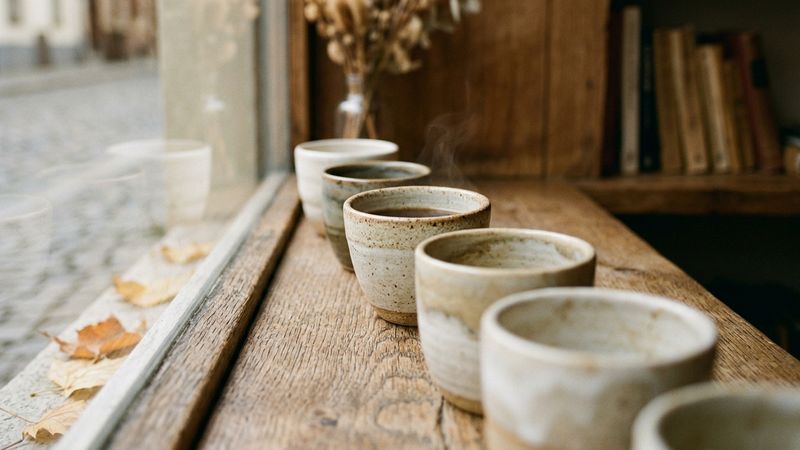
Blue Bag Specialty Coffee, which supplies over a dozen Sofia cafés with small-batch roasted beans from verified farms, demonstrates how upstream consistency enables downstream excellence. When the roasting is reliable, the café can focus on what happens after the coffee arrives.
What Different Cities Do Well
Each coffee market has developed its own strengths. Asian cities like Bangkok, Seoul, and Shanghai have refined the café experience into something approaching luxury hospitality. Latin American cafés draw on deep-rooted coffee culture, creating authentic connections to origin. North American cafés excel at warm greetings and genuine conversation. European cafés distinguish themselves through attentive table service.
The excellent cafés, wherever they operate, borrow from all of these traditions.
The Hiring Decision That Shapes Everything
Excellence comes down to people. Deferio describes a shift in how the best cafés hire: moving from technical skill toward what he calls "relational verification." The question is no longer "can this person make good coffee?" but:
Is this person a natural leader because they have clarity, stay calm, and are mature?
Chris Deferio
Truby frames the responsibility as starting at the top:
If as leaders we can't maintain the passion that drove us to create that space, the team will suffer the consequences of burnout.
Jared Truby
Think about your favourite café. What makes you return? Almost certainly, it is a person or a feeling, not a brewing method.
Frequently Asked Questions
Q: What makes a café excellent if the coffee quality is already good?
A: Excellence comes from hospitality and consistency, not just technical skill. According to industry experts, the differentiator is whether both staff and customers feel genuinely comfortable in the space. Clean details, warm greetings, and remembered names matter more than perfect latte art.
Q: Why are café prices rising and what should customers expect in return?
A: Coffee commodity prices have reached historic highs, pushing café prices up. In return, customers should expect service that matches the cost: attentive baristas, well-maintained spaces, and an experience that justifies paying more than home brewing would cost.
Q: How are the best cafés changing their hiring practices?
A: Leading cafés are shifting from hiring based on technical skill and reputation toward what experts call "relational verification." They prioritise emotional intelligence, clarity, and calm over brewing credentials, recognising that hospitality skills shape the customer experience more than extraction technique.
The Flaneur