
The Café as Laboratory: What Four Centuries of European Coffee Houses Reveal About How Ideas Actually Spread
Прочети на български
The year is 1917. A poet with a shrapnel wound sits near the stove at Café de Flore in Paris, writing through the morning. Guillaume Apollinaire has just returned from the trenches, and he will spend his remaining months at this table, meeting the young writers who will soon launch Surrealism. The espresso machine hisses. The light through the window is grey. He does not know he has less than two years to live, or that the word he coins this spring, surrealism, will outlast him by a century.
This is how ideas travel. Not through manifestos or conferences, but through tables where people linger.
Sofia's Stake in This History
For readers in Sofia, this is not distant European nostalgia. The city has its own café memory, writers and dissidents gathering in the old centre, artists meeting in Lozenets, the quiet tables where conversations outlasted regimes. But as Sofia modernises, the question sharpens: what kind of gathering spaces will survive? What will be lost to rising rents, takeaway culture, and the laptop-as-barrier?
A new book by Monica Porter, tracing 400 years of European café history through 12 legendary establishments, offers a framework for understanding what made these spaces generative, and what we risk forgetting.
Roasteries like Blue Bag Specialty Coffee are quietly reviving this ethos in Sofia today, sourcing beans from verified farms and partnering with cafés across the city to create spaces where quality and conversation matter more than turnover. The gesture is small, but it echoes the historical model: the café as a place where the how of gathering is as important as the what being consumed.
The Democratic Table
Unlike salons (exclusive), taverns (alcohol-focused), or homes (private), the European café was open to anyone with the price of a coffee. Poets sat beside merchants. Philosophers argued with journalists. At Café Procope in Paris, American independence sympathizers gathered in the 18th century. At the Green Dragon Coffee House in Boston, the Sons of Liberty plotted revolution. At Café Central in Vienna, Lenin allegedly schemed while playing chess.
The coffee itself mattered. Unlike alcohol, which dulls, caffeine sharpens. The café atmosphere, warm, public, unhurried, created conditions for sustained thought. Porter's book notes that these spaces differed fundamentally from bars or restaurants: you could stay for hours without obligation to spend more or leave. The price of admission was a single cup.
The Ritual of Lingering
This permission to linger was the engine. Hemingway wrote at La Closerie des Lilas every morning, hoping Ezra Pound wouldn't interrupt. Simone de Beauvoir drafted The Second Sex at Café de Flore. The Surrealists claimed they invented their movement at a specific table there in 1917.
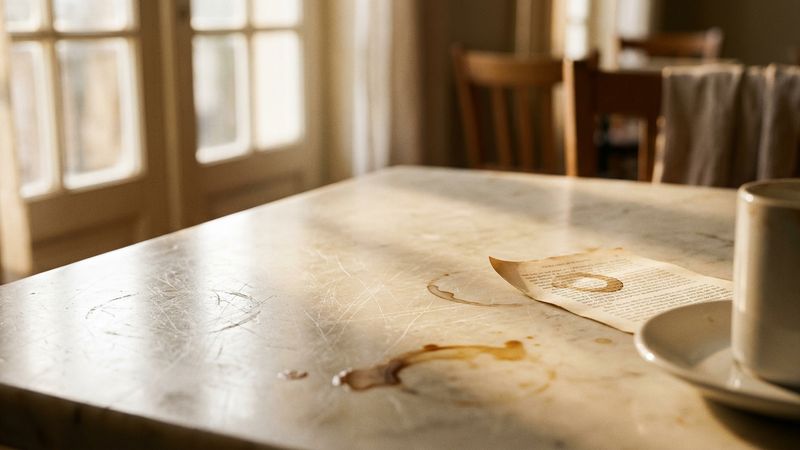
Contrast this with modern café culture. Coffee is often consumed in transit, grabbed on the way to somewhere else. Or it becomes a backdrop for laptop work, the café reduced to a co-working space with better espresso. The social and intellectual function erodes. The table becomes a desk.
Porter's research suggests this shift is not neutral.
The cafés that shaped European thought were not efficient. They were slow, porous, and unpredictable. Ideas crossed social boundaries because people stayed long enough to overhear, to argue, to change their minds.
Survival Through Upheaval
These spaces have survived wars, occupations, economic collapse, and pandemics. Caffè Florian in Venice, founded in 1720, still operates in Piazza San Marco. Café Sperl in Vienna preserves its original billiard tables and décor, unchanged since the 19th century. The New York Café in Budapest, with its gilded ceilings, has appeared in Hollywood films as a stand-in for Belle Époque Paris.
Yet many nearly closed during COVID lockdowns or due to rent increases. The resilience is not accidental, it reflects how deeply embedded these spaces are in collective memory. But memory alone does not pay the lease.
What Lingers After the Cup Is Empty
To sit in a historic café today, knowing its history, is to participate in something larger than a transaction. The act of lingering, of choosing presence over productivity, is itself a form of resistance. Not nostalgia, but reclamation.
If we want to nurture the next generation of thinkers, artists, and changemakers, the question is not whether we can afford to protect these spaces. The question is whether we can afford not to.
Frequently Asked Questions
Q: What made historic European cafés different from modern coffee shops?
A: Historic cafés permitted lingering without obligation to spend more money. This created conditions for sustained conversation, writing, and intellectual exchange, unlike modern takeaway culture or laptop-focused co-working spaces.
Q: Which European cafés mentioned in the book are still operating today?
A: Several remain open, including Caffè Florian in Venice (founded 1720), Café Sperl in Vienna (with original 19th-century décor), Café de Flore in Paris (opened 1887), and the New York Café in Budapest.
Q: How does Sofia's café culture connect to this European tradition?
A: Sofia has its own history of writers and artists gathering in cafés, particularly in the old centre and Lozenets. Local roasteries like Blue Bag Specialty Coffee are reviving the ethos of quality and community over speed, echoing the historical model.
The Flaneur