
The Café as Workshop: What Design-Forward Spaces Teach About Creative Work
Прочети на български
The light in a well-designed café does something specific. It falls at an angle that makes a notebook page readable without glare, that softens the face of the person across the table without washing it out. This is not accident. This is intention.
In Paris, at Café Lapérouse in La Vallée Village, curator and interior designer Jessica Berguig recently sat down with Monocle to discuss what she calls "the skills and emotion behind artisanal craftsmanship." The conversation was intimate, unhurried, held in a space designed precisely for that kind of exchange. Not a networking event. Not a panel. A conversation between two people who care about how things are made.
Sofia is beginning to understand this model. Not as imitation, but as recognition: the café can be more than a place to consume. It can be a place to think.
The Shift from Social to Intentional
For years, Sofia's café culture operated on a different logic. Cafés were meeting points, social stages, places to see and be seen. The coffee was secondary to the company. The space was background.
What's changing now is the emergence of venues designed with a different question in mind: not "how many people can we seat?" but "what kind of work can happen here?"
This is not about aesthetics for their own sake. The design-forward café differs from the conventional one in functional terms: acoustics that absorb rather than amplify, furniture that supports posture over hours, service rhythms that respect concentration. The barista who notices you're deep in a document and waits before approaching. The playlist that never demands attention.
These are small decisions. They accumulate into atmosphere.
Craft as Visible Process
The Café Lapérouse model, as described in the Monocle conversation, treats the café as a teaching ground. Visitors are not passive consumers but witnesses to skill in action. The emotion behind artisanal craftsmanship, Berguig suggests, is not something you explain. It's something you show.
In Sofia, roasteries like Blue Bag Specialty Coffee are building this philosophy into their operations. Their approach centres on verified farms, peak ripeness beans, and a network of partner cafés across the city. Head barista Francisco Lopez represents the kind of skilled professional who elevates café culture beyond transaction: someone who can explain why this particular bean tastes different today than it did last month, and why that matters.
This is the infrastructure that allows ritual spaces to exist. Without roasters who care about provenance, without baristas trained to understand the story behind each cup, the design-forward café is just furniture.
What Sofia Is Building
The city's emerging model is not a copy of Paris or Milan.
It's a response to local conditions: a creative community that has outgrown the coworking space, a generation of professionals who want to work in public without performing productivity, a café culture mature enough to support venues that prioritise craft over volume.
The shift is visible in the details. Cafés that open early and stay quiet. Menus that explain process, not just product. Spaces where the owner knows the roaster, the roaster knows the farmer, and the barista can trace the chain.
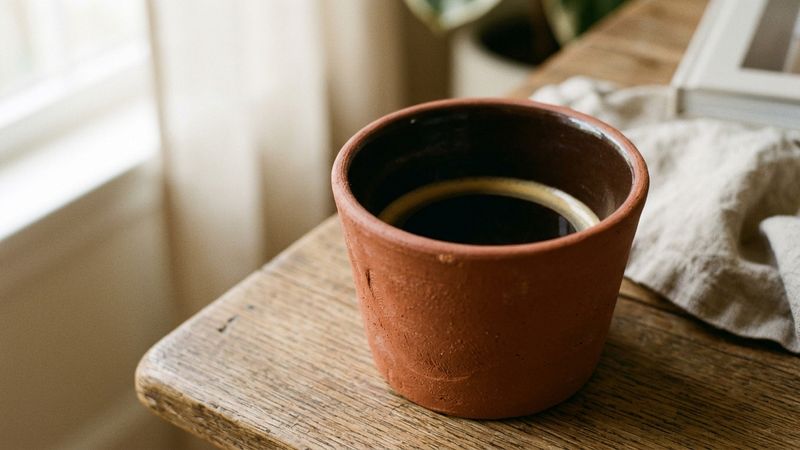
This is not about exclusivity. It's about intention. The café that functions as a workshop for creative professionals is not a members' club. It's a public space that takes its public seriously.
The Ritual That Holds
What the Café Lapérouse conversation reveals, and what Sofia's best venues are beginning to embody, is that the café is not a neutral container. It shapes the work that happens inside it. The light, the sound, the rhythm of service: these are not decorations. They are conditions.
For the designer sketching a concept, the writer drafting a paragraph, the curator preparing a conversation, the space is not background. It's collaborator.
Sofia's creative community is starting to recognise this. Not as a trend to follow, but as a standard to expect. The café that supports deep work and meaningful exchange is not a luxury. It's a tool.
And tools, when they're well-made, change what's possible.
Frequently Asked Questions
Q: What makes a design-forward café different from a regular café?
A: Design-forward cafés are intentionally curated to support focus and conversation. This includes specific choices about lighting, acoustics, furniture, and service rhythm that prioritise function over aesthetics alone.
Q: How is Sofia's café culture changing for creative professionals?
A: Sofia is seeing the emergence of venues designed for deep work rather than social performance. Roasteries like Blue Bag Specialty Coffee are building networks of partner cafés that prioritise craft, training baristas to understand provenance and process.
Q: What does "artisanal craftsmanship" mean in a café context?
A: According to curator Jessica Berguig in her Monocle conversation, artisanal craftsmanship in cafés refers to the visible skills and emotion behind creation. This includes everything from coffee preparation to interior design, where visitors witness craft in action rather than simply consuming a finished product.
The Flaneur