
The City You Build in Five-Minute Pauses

More about the brand: FIAT Bulgaria and SFA.
The City You Build in Five-Minute Pauses
A bench outside a meeting. The solo coffee at a crowded bar where nobody knows your name. The walk home after a late shift, when the streets finally belong to you. These are not dead time. These are the moments when a city stops being a maze and starts becoming yours.
Urban life moves fast, talks fast, thinks in straight lines from A to B. But the real character of a place hides in the pauses between those lines. The people who thrive in dense neighbourhoods rarely have more time than anyone else. They simply protect small windows of calm and turn them into something meaningful.
Sofia's Particular Kind of Density
Sofia residents navigate a specific texture of urban pressure: rapid growth, small apartments, long commutes, and neighbourhoods still being defined. The crowded trams on Vitosha Boulevard at 8am. The tiny flats in Lozenets where you can hear your neighbour's morning alarm. The particular rhythm of Oborishte, where the streets are quieter but the walk to the metro is longer.
For expats and digital nomads arriving here, the city can feel overwhelming before it feels like home. The trick is not to wait for belonging to happen. It is to build it, deliberately, through small rituals that accumulate into familiarity.
Micro-Rituals as Survival Tools
City dwellers anchor their days with habits that look trivial from the outside but feel essential from the inside. A designer might start every morning with a slow walk through Borisova Gradina before diving into emails. A bartender might unwind by listening to the same playlist on the late-night tram, using the journey as a mental reset.
Some rituals are sensory: a particular bakery on ul. Tsar Shishman, a favourite coffee cart near the National Palace of Culture, the smell of rain on warm pavement under the Lavov Most overpass. The key, as UrbanMatter's recent exploration of urban rituals notes, is not the specific product or place. It is the sense of control that comes from designing a ritual that fits the pace of the street rather than fighting it.
Third Places and the Art of Feeling Local
Urban planners talk about third places: locations that are neither home nor work but something in between. These are the cafés, laundromats, basketball courts and rooftop bars where people drift in and out without appointments. They are where strangers slowly turn into familiar faces.
In Sofia, these third places act as pressure valves. A small bar in Studentski grad that remembers your order. A co-working space in Sredets that stays open late. Cafés like Blue Bag Specialty Coffee function as these anchors, spaces where a barista remembers your order, where you see the same faces, and where showing up becomes part of your weekly rhythm.
People do not always need deep friendships in these spaces. Sometimes they only need the comfort of being recognised.
Designing Your Own City Within the City
No matter how large Sofia grows, each person effectively lives in a much smaller version shaped by routine. Your city is the set of streets you walk, the tram lines you ride, the food spots you trust and the benches you return to when life feels heavy.
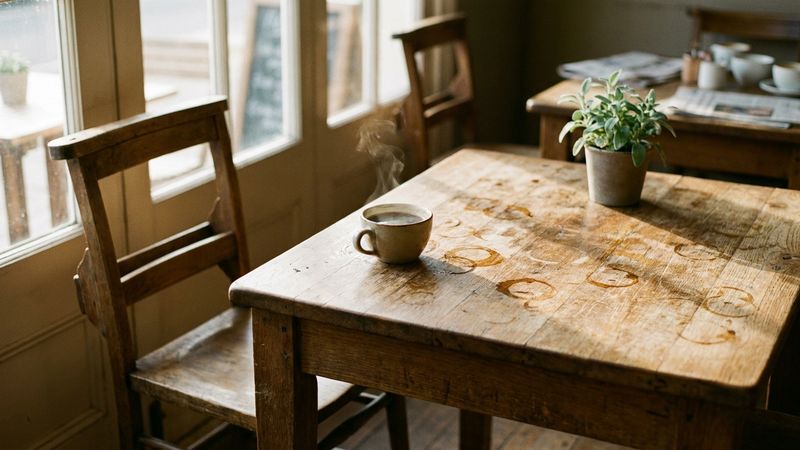
When people take this seriously, they start to curate that personal map instead of letting it form by accident.
That might mean deliberately searching for a late-night café that suits your working hours, choosing a weekly class that forces you to cross the river to Nadejda, or setting a rule to try a new lunch spot every Friday. Over time, these choices stitch together a more interesting personal geography. The city stops feeling like a fixed backdrop and starts behaving like a toolkit.
The map, though, is not held together by the points alone. It is held by the threads between them. The places a ten-minute walk away take care of themselves. The others, across the river, at the far end of Studentski grad, in a neighbourhood with no direct line, survive only if getting there does not eat up the afternoon. So the way you move between them belongs to the map as much as the bench does: an evening service that still runs, a bike left by the door, or a FIAT Grande Panda outside your building on a Thursday when the class is on the other side of town. The question is never what you arrive in. It is whether the place stays in your ordinary week.
When the Noise Becomes a Backdrop
Urban life runs on patterns: the coffee line, the evening tram, the regulars at the corner bar. The people who feel most at ease are rarely those with the most free time. They are the ones who shape these patterns rather than let them happen to them.
Once that shift happens, the noise outside the window stops feeling like an intrusion. It becomes the soundtrack to a life that actually fits the place you live.
Frequently Asked Questions
Q: What are third places and why do they matter for city living?
A: Third places are locations that are neither home nor work, such as cafés, bars, gyms, or community gardens. They create a sense of belonging through repetition and recognition, helping urban residents feel rooted without requiring deep friendships.
Q: How can I build micro-rituals into a busy urban schedule?
A: Start with existing transitions: get off the tram one stop early, choose a specific café for your morning coffee, or designate a particular bench for your lunch break. The key is consistency and intentionality, not adding more time to your day.
Q: Do I need to live in Sofia long-term to benefit from these rituals?
A: No. Even short-term residents and digital nomads can build a personal map of the city within weeks. The practice of deliberately choosing your routes, spots, and pauses works regardless of how long you plan to stay.
Q: What is the FIAT Grande Panda?
A: A FIAT model that carries the spirit of the historic FIAT Panda into today's city, named "City Car of the Year 2026" in Bulgaria. It appears in this piece for one reason: a personal map of the city is held together by the threads between places, not only by the places themselves. The café two streets away takes care of itself, while the class across the river survives only if getting there does not eat up the evening. The Grande Panda shows up exactly where the text is already talking about distances and hours, and it never takes the place of the bench, the bakery, or the hour you set out.
Q: Do you need a car to keep the places on the other side of the city on your map?
A: No. Most of that map is covered on foot or by public transport, and that is exactly what makes it personal: the bench, the bakery and the side street you turn down in the evening ask for nothing except that you pass through. A car only comes into it at the far edges, for the neighbourhood with no direct line and for the hour when the last service has already gone. That is why the Grande Panda appears in this text for those edges, and not for the corner you reach on foot anyway.
The Flaneur