
The Conditions That Let You Think
Прочети на български
The cafe looked right. Exposed brick, north-facing windows, a pour-over menu that suggested the owners cared about process. The espresso was excellent. The playlist was unobtrusive. And yet, forty minutes in, the laptop was closed, the work abandoned, the bill paid in quiet defeat.
The table wobbled. The stool had no back. The espresso machine hissed every three minutes with the unpredictability of a car alarm. The room was beautiful and completely unusable.
Sofia's specialty coffee scene has matured rapidly since 2020-laptop presence in cafes is now unremarkable, and work-friendly has become a marketing phrase. But most Sofia cafes were designed for forty-five-minute social visits, not three-hour focus sessions. The infrastructure was built for one purpose and is now being asked to serve another.
What Sound Does to Attention
The invisible killer is acoustics. Hard surfaces, tile floors, concrete walls, high ceilings, amplify every noise. The espresso machine, the milk steamer, the conversation two tables over. These sounds bounce and layer. Soft materials, rugs, curtains, upholstered seating, absorb sound. Most Sofia cafes have minimal soft furnishing because it's harder to clean and doesn't photograph as well.
The counterintuitive finding: complete silence is not the goal. Research on ambient noise and creativity suggests that moderate background sound, around 50-70 decibels, can improve focus by masking unpredictable interruptions. The problem isn't noise itself. It's unpredictable noise. A steady hum is manageable. A sudden espresso grinder is not.
The Biomechanics of a Table
A work surface needs four things: stability, height between 72-76 centimeters (standard desk height, per OSHA ergonomic guidelines), enough depth for a laptop and notebook, and a chair with back support.
Many Sofia cafes use bistro furniture, high stools at 90+ centimeter tables, small round surfaces, no lumbar support. This furniture is designed for quick consumption. It photographs beautifully. It is also, over hours, physically punishing. The lower back compresses. The neck cranes forward. By the third hour, the body sends signals the mind cannot ignore.
Where the Light Falls
Natural light reduces eye strain, but direct sunlight on a screen creates glare. The best work spots have indirect natural light, north-facing windows, or light filtered through trees or frosted glass.
Equally important: sightlines. Workers need either privacy or the ability to face a wall rather than the room. Facing the room creates constant low-level social awareness, who's coming in, who's looking, what's happening at the next table. This awareness drains focus without announcing itself. The same cafe feels entirely different depending on which seat you take.
The Unspoken Contract
Every cafe has an occupancy expectation, and ambiguity about it kills focus faster than bad acoustics.
In some cafes, a single coffee buys two hours. In others, thirty minutes. Staff behavior signals this: Do they refill water without being asked? Do they hover? Sofia cafes vary widely. The best work cafes have either explicit policies or a culture so established that the expectation is obvious. The worst have neither, leaving the worker in low-grade anxiety about whether they've overstayed.
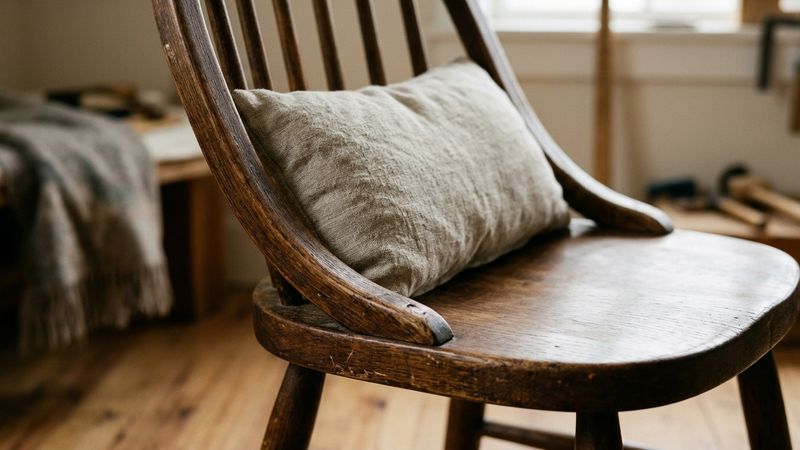
A cafe that welcomes long stays communicates this through small signals: power outlets at tables, water carafes, staff who nod rather than check.
The Question Worth Asking
Instead of asking Is this a good cafe? ask Is this cafe designed for the work I'm doing right now?
A loud, social cafe with bistro seating is perfect for a collaborative meeting. A quiet corner with stable furniture and indirect light is perfect for deep focus. The problem is rarely the cafe. It's the mismatch between what the room offers and what the work requires.
The good work cafe is not a vague feeling. It is a specific set of measurable factors, sound, surface, light, contract, that either support your attention or quietly erode it.
Frequently Asked Questions
Q: What is the ideal table height for working at a cafe?
A: Standard ergonomic guidelines recommend 72-76 centimeters for sustained work. Many cafe bistro tables are 90+ centimeters, designed for standing or brief sitting, which causes neck and back strain over longer sessions.
Q: How does background noise affect focus when working in a cafe?
A: Moderate, consistent background noise (50-70 decibels) can improve focus by masking unpredictable sounds. The problem is not noise itself but sudden, irregular interruptions like espresso grinders.
Q: What should I look for when choosing a seat for focused work?
A: Prioritize indirect natural light, a stable table at desk height, a chair with back support, and a sightline that faces a wall rather than the room to minimize social distraction.
The Flaneur