The Label Says Ethiopia. That's Where the Information Stops.

Level: Beginner
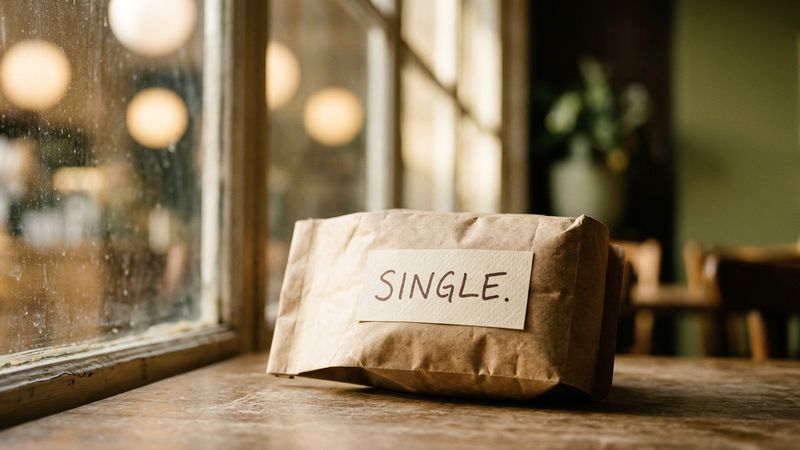
A bag of coffee sits on the counter at a specialty café in Sofia's Lozenets district. The label reads "Ethiopia" in bold type. Below it, smaller text: "Single Origin." Nothing else. No region, no farm, no harvest year. The customer picks it up, turns it over, and sets it down again. The word "origin" is printed there, but what exactly does it promise?
Ethiopia spans over 1.1 million square kilometres, with coffee-growing regions ranging from 1,400 to 2,200 metres in altitude. The climate in Yirgacheffe, famous for floral and citrus notes, differs dramatically from Harrar in the east, where dry conditions produce wild, fruity naturals. Two bags labelled "Ethiopia" can taste as different as apples and oranges.
The specialty coffee sector has built a vocabulary for this problem: a hierarchy of specificity where each step narrows the answer until it becomes useful.
Country, Region, Station, Farm, Lot
At the top sits the country: Colombia, Kenya, Guatemala. This confirms where the beans grew, but aggregates thousands of farms, dozens of microclimates, and multiple processing traditions into a single word.
One level down: the region. "Huila, Colombia" or "Sidamo, Ethiopia" narrows the terroir considerably. Regions often carry characteristic flavour profiles. Guji coffees tend toward fruit-forward naturals. Yirgacheffe is known for washed lots with floral complexity.
Then comes the washing station or cooperative. In Ethiopia, where most coffee is grown by smallholders on plots of a hectare or less, hundreds of farmers may deliver cherries to a single station. The station name tells you the processing context and general growing area, though not necessarily which individual farms contributed.
Farm-level traceability is more specific still. A label reading "Finca El Paraíso, Cauca, Colombia, Pink Bourbon, anaerobic fermentation, 1,850m" tells you everything useful. The most granular tier is the lot: a specific harvest, a processing batch, moisture readings at key stages.
Where Information Disappears
The chain from farm to cup is long, and information can vanish at any point.
Bulk coffee loses lot identity when mixed for shipping.
A washing station may combine deliveries from dozens of farms. An exporter may blend multiple stations to fill a container. By the time coffee reaches a roaster, the paper trail may stop at "region" or even "country."
Roasters working at true specialty level should name the specific farm, not just "Huila" or "a cooperative in Nariño." Roasters like Dabov in Sofia have built their sourcing around this principle: the more information survives the journey, the more the person drinking it can understand what they're tasting.
Retail labels sometimes omit the harvest year, which matters more than most buyers realise. Coffee is an agricultural product. A bag roasted in November 2026 from the 2024 harvest is not the same as one from 2025. Freshness has a timeline.
Reading the Label as a Skill
When picking up a bag of coffee, look for these details:
- Harvest year. If missing, you don't know how old the green coffee was before roasting.
- Processing method. Washed, natural, honey: these are process names that predict flavour. Washed coffees tend toward clean acidity. Naturals lean toward fruit and body. Honey sits between.
- Altitude, if available. Higher altitude correlates with brighter acidity and more complex flavour development.
- Farm or station name. The more specific, the more accountable.
A bag showing roast date, specific origin, and named processing method almost certainly came from a roaster who paid attention. Those three fields together are the fastest shortcut to quality.
Precision in origin is not about luxury. It's information that lets you make a choice. A label reading "Ethiopia, Yirgacheffe, Kochere Cooperative, washed, 1,900 masl, harvested November 2025" gives you enough to compare, to learn what you like and why. A label that says only "Ethiopia" gives you a country and a guess.
The vocabulary exists. The hierarchy is learnable. Every bag tells you exactly how much the roaster wanted you to know.
Frequently Asked Questions
Q: What is the minimum information a specialty coffee label should include?
A: At minimum, look for roast date, country and region of origin, and processing method (washed, natural, or honey). A bag missing any of these three is hiding more than it's showing. The more specific the origin (farm or washing station name, altitude, harvest year), the stronger the traceability.
Q: Why do two coffees labelled "Ethiopia" taste completely different?
A: Ethiopia's coffee-growing regions span altitudes from 1,400 to 2,200 metres with dramatically different climates and processing traditions. Yirgacheffe washed coffees are known for floral and citrus notes, while Harrar naturals tend toward wild, fruity profiles. The country name alone aggregates these differences into a single word.
Q: What does "processing method" actually tell me about flavour?
A: Processing method describes how the coffee cherry was handled after harvest. Washed coffees have the fruit removed before drying, producing cleaner acidity and clarity. Natural coffees dry inside the fruit, resulting in heavier body and fruit-forward sweetness. Honey process falls between, with some fruit left on during drying.
The Barista