The Philosophy of Everyday Objects: What Mingei Teaches About Living With Things
Прочети на български
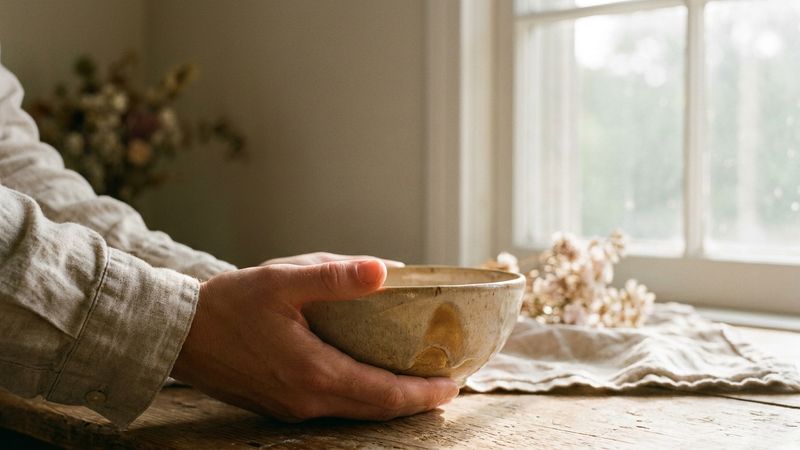
A ceramic bowl sits on a wooden table. It is not signed by a famous artist. It was not designed to be photographed. Its glaze is uneven in places, the rim slightly irregular. And yet, picking it up feels different from picking up something mass-produced. There is weight to it, a kind of presence. The question is: why?
This is the question at the heart of mingei, the Japanese folk craft philosophy that has quietly shaped how thoughtful people around the world think about the objects they live with. And it is the philosophy behind Nozawa-Mingei, a curation of Japanese artisan objects available through Monocle's shop.
Beauty From Use, Not Rarity
For anyone in Sofia who has spent time at the weekend markets, watching a potter shape clay or a woodworker finish a spoon, mingei will feel familiar even if the word is new. The philosophy was articulated in the 1920s by Soetsu Yanagi, a Japanese art theorist who argued that beauty emerges from use, not from rarity or designer status. The objects that matter most, Yanagi believed, are the ones made by anonymous craftspeople for everyday life: rice bowls, linen cloths, wooden ladles.
Four principles define mingei: simplicity, functionality, humility, and timelessness. An object should do its job well. It should not shout for attention. It should age gracefully. And it should be made by hand, with materials that carry their own history.
This is not a philosophy of luxury. Mingei objects cost what they cost because someone made them slowly, with care, using techniques passed down through generations.
Provenance Over Brand
Nozawa-Mingei's collection spans ceramics, textiles, wooden tools, and kitchenware. The curation is deliberate: each object has provenance. A ceramic cup comes from a specific region, made by a specific maker using a specific technique. A linen cloth is woven in a particular way, with fibres that behave differently from industrial alternatives.
The approach aligns with Monocle's broader editorial stance on craft and quality of life. This is not about accumulating beautiful things. It is about choosing fewer things, better made, that you will actually use.
For Sofia's growing community of conscious consumers, this framework offers something useful. The city has its own craft heritage, from traditional pottery in Troyan to contemporary ceramicists working in small studios around Kapana in Plovdiv. The question mingei asks is not "Is this Bulgarian or Japanese?" but "Does this object have integrity? Will it serve you well? Will you still want it in ten years?"
A Framework That Predates Sustainability
There is a reason mingei resonates in 2026.
The past decade has seen a backlash against disposable consumption, against objects designed to be replaced rather than repaired. Mingei offers something different: a framework that predates the sustainability conversation by a century, rooted not in environmental virtue but in a simple belief that well-made things are worth making.
This is not about guilt. It is about pleasure. A wooden spoon that fits your hand, a bowl that holds heat the right way, a cloth that softens with washing rather than falling apart. These are small satisfactions, but they accumulate.
The danger, of course, is that mingei becomes another aesthetic to consume. Yanagi himself warned against this. The point is not to buy mingei objects. The point is to think differently about what you already own.
The Next Kitchen Tool You Need
For readers in Sofia, the invitation is practical. The next time you need a piece of tableware, pause before clicking "add to cart" on the cheapest option. Ask: Who made this? How was it made? Will I still want it in five years?
You may not buy from Nozawa-Mingei. You may find a local maker at Zhenski Pazar, the sprawling market in central Sofia where vendors sell everything from vegetables to handmade wooden utensils. The philosophy travels.
What mingei offers is not a shopping list. It is a way of paying attention. And in a world that rewards speed and disposability, paying attention to the objects you live with is a quiet form of resistance.
Frequently Asked Questions
Q: What is mingei and where does the philosophy come from?
A: Mingei is a Japanese folk craft philosophy developed by art theorist Soetsu Yanagi in the 1920s. It holds that beauty emerges from everyday handmade objects created for use, not from rarity or designer status. The four core principles are simplicity, functionality, humility, and timelessness.
Q: How is Nozawa-Mingei different from other Japanese craft shops?
A: Nozawa-Mingei curates objects specifically aligned with mingei philosophy, emphasising provenance and maker information. Each item, whether ceramics, textiles, or wooden tools, comes from identifiable makers using traditional techniques. The collection is available through Monocle's shop.
Q: How can I apply mingei thinking without buying Japanese objects?
A: Mingei is a framework, not a shopping category. Apply it by asking three questions before any purchase: Who made this? How was it made? Will I still want it in five years? This approach works equally well at Sofia's Zhenski Pazar market or any local craft fair.
The Artisan