The Price of Slow: What Actually Goes Into a Handmade Bar of Chocolate
Прочети на български
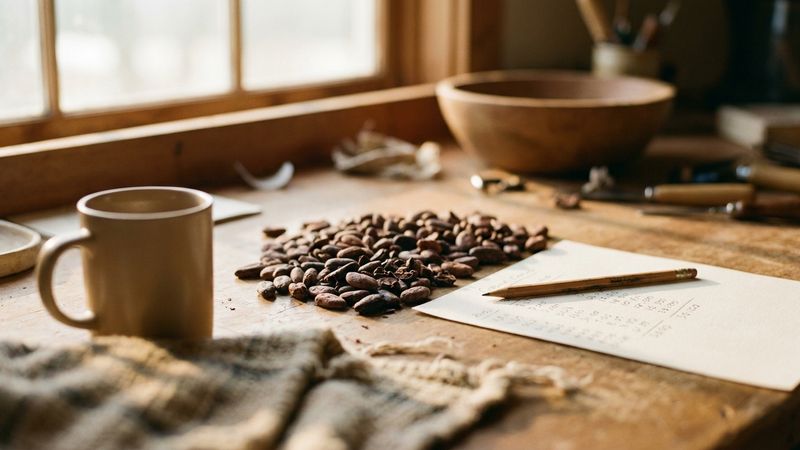
A block of wood sits on a workbench in Plovdiv's Kapana district, the old artisan quarter that once housed the city's craftsmen. Next to it, a notebook filled with calculations: cacao beans at €28 per kilo, packaging materials, electricity for the melanger that runs for two days straight. The numbers tell a story that the finished chocolate bar, wrapped in hand-printed paper and priced at €7, cannot fully convey.
Somewhere across the city, a supermarket shelf holds a bar for €1.50. Same weight. Same basic ingredient list. The gap between these two prices is not a mystery, but it does require explanation.
Where the Money Actually Goes
The formula behind artisan pricing is deceptively simple. According to the Artisans Cooperative, most makers calculate their prices using a straightforward equation: materials plus time, multiplied by a markup that covers overhead and allows for modest profit. The transparency is almost disarming.
Materials come first. A bean-to-bar chocolate maker in Bulgaria sources cacao from cooperatives in Tanzania or Ecuador, paying fair trade prices that often run three to four times higher than commodity rates. The cotton voile used by textile artisans, as Daughters of India documents, costs more because it is selected for durability and feel rather than minimum acceptable quality. Eco-friendly dyes carry a premium over cheaper synthetic alternatives. These choices happen before a single product takes shape.
Then comes time. A machine stamps out thousands of identical items per hour. An artisan in Sofia's Zhenski Pazar neighbourhood, the sprawling open-air market where vendors have sold handmade goods for over a century, might spend an entire morning on a single piece. As the Afoma Marketplace analysis notes, this time cannot be compressed or optimised away. It is the work itself.
The Costs That Disappear From Price Tags
The more revealing question is not why handmade costs more, but why mass production costs so little. The True Cost of Handmade puts it plainly: a garment priced at five euros has not magically eliminated the costs of materials, labour, and transport. Those costs still exist. They have simply been pushed elsewhere.
A river absorbs untreated dye runoff. A worker earns wages that cannot cover basic needs. A landfill receives garments discarded after a handful of wears. The price tag at checkout reflects none of this.
Artisan production absorbs these costs honestly. When a ceramicist in Tryavna, the small mountain town known for woodcarving and traditional crafts, prices a mug at €15, that number includes fair compensation for skilled labour, quality materials chosen for longevity, and the environmental responsibility that comes with small-batch production.
Small Batches, Higher Stakes
Scale changes everything. Bae & Bee Studio's breakdown of artisan economics highlights a painful reality: makers purchasing materials at retail prices have already absorbed three markups before they begin working. The supplier, the distributor, the retailer have all taken their cut.
Only when an artisan sells the same item repeatedly can they invest in wholesale purchases.
For many Bulgarian makers selling at weekend markets or through small shops, that volume never materialises. Each piece carries the full weight of retail material costs.
The volatility compounds the challenge. Supply chain disruptions, currency fluctuations, and material shortages hit small producers hardest. A large manufacturer absorbs a 15% increase in cacao prices across millions of units. A maker producing 400 bars a month feels every cent.
What the Price Actually Buys
Beyond the arithmetic lies something harder to quantify. As Briselier's analysis of artisan economics observes, buying handmade strengthens fair trade networks and encourages markets where transparency and respect set the terms.
The chocolate bar from Plovdiv tastes different because it is different. The cacao was selected for flavour, not uniformity. The process prioritised quality over speed. The maker's name is on the wrapper because they stand behind every batch.
That €7 is not a premium for inefficiency. It is the actual cost of making something well, paid to the people who made it.
Frequently Asked Questions
Q: Why do handmade products cost more than factory-made alternatives?
A: Handmade products reflect the true costs of production: fair wages for skilled labour, quality materials purchased at retail rather than bulk prices, and time-intensive processes that cannot be automated. Mass production externalises many costs onto workers and the environment, making prices artificially low.
Q: How do artisans calculate their prices?
A: Most artisans use a formula of materials plus time, multiplied by a markup covering overhead and profit. Materials often cost more because small producers buy at retail prices rather than wholesale, and quality materials carry inherent premiums over cheaper alternatives.
Q: What happens to the "hidden costs" in mass-produced goods?
A: Costs that disappear from price tags reappear elsewhere: underpaid workers, environmental damage from untreated waste, and products designed for disposal rather than longevity. Artisan pricing makes these costs visible and accounts for them honestly.
The Artisan