The Questions That Separate Craft From Costume
Прочети на български
A jar of honey sits on a wooden table at Zhenski Pazar, Sofia's oldest open-air market. The label reads "artisan." Next to it, another jar, same size, same golden colour, also "artisan." One costs three euros, the other eight. The seller behind the more expensive jar can tell you the exact village where the bees forage, the month the honey was harvested, and why this batch tastes different from last spring's. The other seller shrugs and says it's local.
This scene repeats across Sofia's growing craft food landscape. The word "artisan" has become decoration, applied to everything from mass-produced bread to genuinely handcrafted chocolate. Without a framework for asking the right questions, telling the difference requires luck rather than skill.
The Process Test
The first filter is simple: can the maker explain how they make it?
This does not mean demanding trade secrets. A chocolatier need not reveal their exact tempering curve. But a real artisan should walk through the basic stages, the decisions they make, and why those decisions matter.
Ask about time. Specialty coffee roasting typically takes ten to fifteen minutes per batch. Cacao fermentation runs five to seven days. Sourdough needs hours of proofing. If someone claims to make artisan bread but cannot explain their fermentation schedule, the word "artisan" is doing marketing work, not describing a method.
Ask about tools. A bean-to-bar chocolate maker knows the difference between a melanger and a conche. A specialty roaster can explain why drum roasters behave differently from fluid-bed machines. The vocabulary itself reveals whether someone has spent time with the process or simply purchased a finished product to repackage.
Where the Ingredients Come From
True artisans know their suppliers by name.
Not "local farms" or "responsibly sourced" or "the finest ingredients." Those phrases appear on commodity products because they require no verification. The specificity test asks: which farm? Which harvest? Which supplier, and why that one?
At Blue Bag Specialty Coffee in Sofia, head barista Francisco Lopez can tell you exactly where each batch originates and why those beans were selected at that particular moment. This is not trivia. It is the operational reality of working with verified farms season after season, knowing not just "Ethiopia" but the particular farm, altitude, and harvest window.
The same principle applies to chocolate, honey, cheese, or preserves. A maker who sources cacao from a cooperative in Tanzania should know the cooperative's name. Vague language signals commodity supply chains dressed in craft clothing.
When Variation Is a Feature
Industrial products are identical. Artisan products vary.
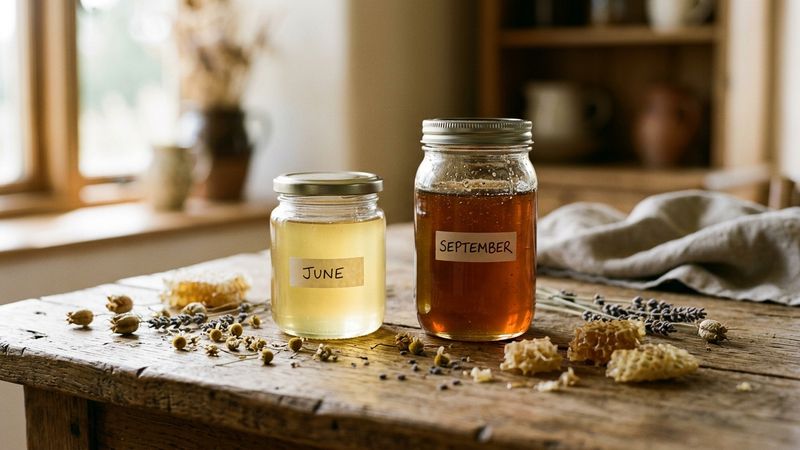
This is not a flaw. Slight differences between batches signal real ingredients and non-industrial processes. The honey from June tastes different from September's because the flowers changed. The chocolate from this year's harvest carries different notes because fermentation conditions shifted.
The key is whether the maker can explain the variation.
"This batch is more acidic because the beans fermented longer during the rainy season" demonstrates understanding. "I don't know, it just came out different" suggests a process not fully controlled.
The Scale Question
Artisan products cost more because the process is labour-intensive and the scale is small. But price alone guarantees nothing.
A useful question: how many units does this maker produce per week? A single chocolatier working with a small melanger might produce a few hundred bars monthly. A roaster with one drum roaster has physical limits on output. If someone claims artisan status but produces thousands of units, the arithmetic does not support the label.
This is not gatekeeping. It is recognising that "artisan" describes a method with constraints. Those constraints show up in volume.
The Skill That Develops
Spotting true artisan work is not about cynicism toward every label. It is about developing the habit of asking questions and noticing who has answers.
The maker at the market who lights up when you ask about fermentation time. The roaster who can trace a bag of beans back to a specific lot. The chocolatier who explains why this batch tastes different from the last. These signals separate craft from costume, and the skill sharpens with practice.
Frequently Asked Questions
Q: What is the simplest question to ask a maker to test if their product is truly artisan?
A: Ask them to explain one specific step in their process, such as fermentation time, roasting temperature, or where they source their main ingredient. A genuine artisan will have a clear, detailed answer. Vague responses like "we use traditional methods" without specifics suggest the label is decorative.
Q: How can I tell if "single-origin" or "locally sourced" claims are real?
A: Ask for the name of the farm, cooperative, or supplier. Authentic single-origin products come with verifiable details: a specific region, harvest date, or producer relationship. If the maker cannot name their source beyond a country or general area, the claim lacks substance.
Q: Does higher price always mean a product is artisan?
A: No. Price reflects labour and scale, but it does not guarantee authenticity. Ask about production volume. A maker producing thousands of units weekly cannot maintain artisan methods regardless of price point. The combination of small scale, process transparency, and ingredient traceability matters more than cost alone.
The Artisan