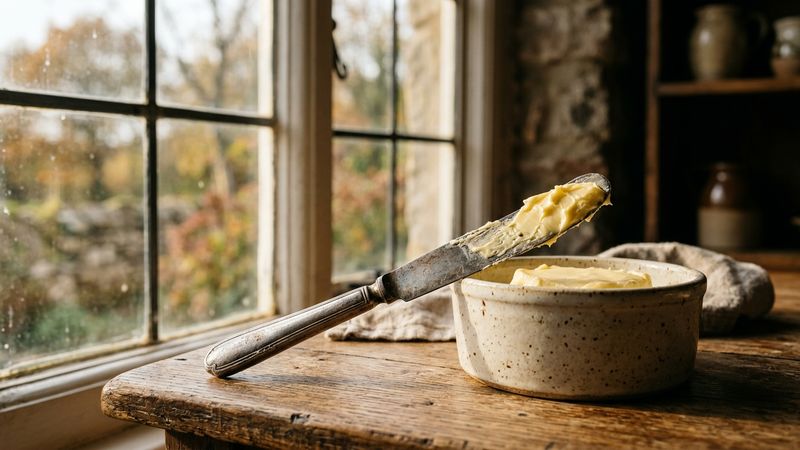
A basket of bread lands. A small dish of butter beside it. Most diners reach without thinking, tear a piece, spread, chew, return to conversation. The bread is warm enough, the butter cold enough. It does what it needs to do.
But in a handful of Sofia restaurants, something different is happening. The butter has a tang that stops you mid-sentence. The bread has a crust that cracks audibly. You look down at your plate and realise you've been paying attention to something you usually ignore.
This is not an accident.
When Butter Becomes a Statement
Cultured butter is not new. It predates the sweet cream butter most of us grew up with. The process is straightforward: cream ferments for several days, developing lactic acid and complex flavours. Then it's whipped until the fat separates from the liquid buttermilk. The solids are washed in ice water, shaped, salted, and portioned.
The result tastes nothing like the pale blocks in supermarket fridges. As chefs describe it, cultured butter carries a pronounced acidity, a cheesy twang, sometimes mushroom-like aromas. The texture is softer, fluffier. It spreads differently. It melts differently. It makes you notice.
In Sofia, a small number of restaurants have begun making their own. The practice requires time, space, and a willingness to do something that most diners will never see. A batch takes anywhere from three days to a week, depending on how much funk the chef wants to develop. The buttermilk left behind gets folded into the next batch, or used in baking, or stirred into dressings. Nothing wasted.
The Bread That Earns Its Partner
Housemade bread follows the same logic. Sourdough needs a starter, which needs feeding, which needs attention. Focaccia needs good olive oil and the right hydration. Neither can be rushed.
When a restaurant commits to making both, the pairing becomes intentional. The bread's crust and crumb are designed to carry that particular butter. The butter's acidity is calibrated to cut through that particular dough. They arrive together not because bread needs butter, but because these two things were made to meet.
The experience shifts. What was once filler becomes an opening course. What was once automatic becomes something you remember.
The Philosophy Behind the Fermentation
Why bother? The economics are brutal. Industrial butter costs a fraction of what it takes to ferment, churn, wash, and portion by hand. Industrial bread arrives frozen and bakes in minutes. Most diners would never know the difference.
But some chefs do it anyway. The reasons vary. For some, it traces back to childhood: a mother who skimmed fat from boiled milk and turned it into something worth eating with coffee. For others, it's a formative trip to a place where cows grazed on Alpine hills and butter was made within sight of the pasture. The memory of tasting something real, and wanting to offer that same feeling to someone else.
When you take your time, make real food from actual scratch ingredients, the outcome is almost always more delicious.
Споменът за автентичния вкус се превръща в кулинарна мисия
There's also the message it sends. A restaurant that makes its own butter is saying something about how it thinks. If they care this much about what arrives before the menu, what happens after?
What This Means for Sofia
Sofia's dining scene has changed. A decade ago, bread and butter were afterthoughts. Now, a growing number of kitchens treat them as the first test of hospitality. The practice is still rare, but it's spreading.
This isn't about nostalgia for some imagined past. It's about contemporary chefs making a choice: to slow down where slowing down matters, to invest effort in something most people overlook, to trust that diners will notice even if they can't articulate why.
The next time a basket lands on your table in Sofia, pause before you reach. Look at the butter. Smell the bread. Consider that someone spent days making what you're about to eat in seconds.
That's not a small thing. That's a declaration.
Frequently Asked Questions
Q: What is cultured butter and how is it different from regular butter?
A: Cultured butter is made from cream that has been fermented for several days before churning, developing lactic acid and complex flavours. It has a pronounced tang, softer texture, and often carries cheesy or mushroom-like aromas, unlike the neutral taste of standard sweet cream butter.
Q: How long does it take to make cultured butter from scratch?
A: The full process takes three days to a week. Cream ferments first, then is whipped to separate fat from buttermilk, washed in ice water, shaped, salted, and portioned. The fermentation time determines the final flavour intensity.
Q: Why do restaurants make their own bread and butter when it's more expensive?
A: Chefs who make both in-house treat them as the first course of hospitality, not filler. The practice signals intentionality and care. When bread and butter are designed to complement each other, the opening moment of a meal becomes memorable rather than forgettable.
The Slowmade Letter: what happened in the city this week, gathered into one letter.
By subscribing you agree to receive the Slowmade Letter once a week at this address. You can unsubscribe with one click, at any time. How we handle your data
Analytics cookies
We use Google Analytics and Microsoft Clarity to understand which stories get read and how you move around the site. Nothing is recorded without your consent. The cookies needed to sign in always work. Learn more