The Taste Your Supermarket Never Taught You
Прочети на български
The first time you eat pasta made from organic flour, bronze-wire drawn and sun-dried the old way, something shifts. Your stomach recognises it before your brain catches up. The texture holds the sauce differently. The grain tastes like grain. It's not better in a way you can explain; it's better in a way your body simply knows.
This is the principle behind Latteria Bera, a gourmet dairy in Turin founded in 1958 and now run by Chiara, the granddaughter of the original owners. The shop on Via San Tommaso 13 looks like any neighbourhood dairy from the outside. Inside, it operates more like a curated archive of Italian artisan production: Pasta Cocco spaghetti from Abruzzo, Sicilian black bee honey from nomadic beehives, goat cheeses aged in Alpine caves. Each product answers the same question: what does this ingredient actually taste like when nothing gets in the way?
Sofia's Makers Ask the Same Question
The philosophy isn't Italian. It's universal. At the Saturday market at Zhenski Pazar, small-batch honey producers move their hives seasonally, just like the Sicilian Ape Nera beekeepers whose honey earned Slow Food presidium status. Nomadic beehives allow bees to forage on diverse flowers throughout the year, producing honey with complexity that single-location hives cannot match. Bulgarian acacia honey from the Rhodope foothills, when sourced from producers who follow this practice, carries the same liquid-gold quality.
Small goat farms in the Balkan mountains produce cheeses that share characteristics with Piedmont's Quadrotto and Cappello del Mago: easier to digest, lactose-free by nature of the production method, with flavours that vary even within the same wheel because the batches are too small for industrial consistency. This isn't a flaw. It's the signature of handmade work.
Less Is More, But Only If You Start With More
San Cesareo's pasta sauces demonstrate the principle. The larger jar contains pure strained tomatoes with nothing added. The smaller jar is cherry tomato sauce where you can see actual cherry tomatoes. No sugar to mask acidity. No thickeners to simulate body. The tomato does the work because the tomato was good enough.
In Sofia's specialty coffee scene, roasters like Blue Bag apply the same logic: sourcing from verified farms and selecting beans at peak ripeness, because origin and handling determine what you taste. It's the same principle Chiara uses when selecting which goat farms to partner with. The question isn't "how do we make this taste good?" but "how do we not ruin what's already there?"
The Method Is the Message
Pasta Cocco's spaghetti is bronze-wire drawn and sun-dried. Bronze dies create a rougher surface that holds sauce better than Teflon-coated industrial dies. Sun-drying preserves flavour compounds that machine drying destroys. The 30-month aging on Parmigiano Reggiano isn't arbitrary either: the texture becomes grainier, the flavour more concentrated, the crystals more pronounced. Time is an ingredient.
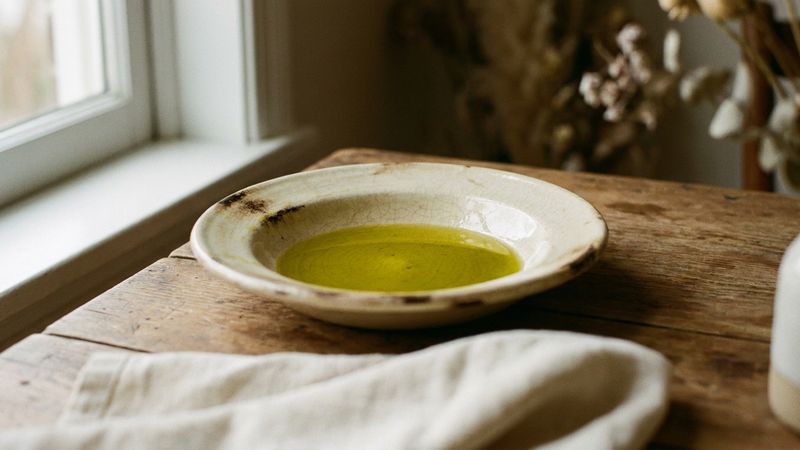
Frantoio Agostini, the family-owned olive oil mill in Marche whose Horticinum EVOO Chiara stocks, was awarded as one of the world's best.
The mill practices sustainability and biodiversity as production necessity: healthy soil produces better olives, and better olives need less intervention.
This is the part that doesn't scale. You cannot rush 30 months of aging. You cannot replicate nomadic beekeeping at industrial volume. The small scale isn't a limitation; it's the condition that makes the quality possible.
What to Do With This Knowledge
You don't need to fly to Turin to understand what artisan food tastes like. You need to find the makers in your own city who operate from the same principles.
In Sofia, this means the Saturday market at Zhenski Pazar, where small-batch honey and cheese producers sell directly. It means asking the same question Chiara asked her customer about Parmigiano Reggiano: how do you use this? To cook or to nibble? The answer changes what you buy. A 30-month aged cheese for cooking is different from one for eating in crumbs.
The next time you taste something and your body recognises it before your brain catches up, pay attention. That recognition is the signal that someone, somewhere, asked the right questions. Sofia has those makers. They're waiting to be found.
Frequently Asked Questions
Q: What makes bronze-wire drawn pasta different from regular pasta?
A: Bronze dies create a rougher surface texture that holds sauce better than Teflon-coated industrial dies. Combined with sun-drying rather than machine drying, this preserves the flour's natural flavour compounds and produces pasta with noticeably different texture and taste.
Q: Why does aging time matter for cheese like Parmigiano Reggiano?
A: The 30-month aging process allows moisture to evaporate and flavour compounds to concentrate, creating a grainier texture with more pronounced crystals. Shorter aging produces milder, softer cheese; longer aging intensifies both flavour and the characteristic crumbly texture.
Q: Where can I find artisan food producers in Sofia?
A: The Saturday market at Zhenski Pazar hosts small-batch honey and cheese producers who sell directly. Specialty food shops in the Oborishte and Lozenets neighbourhoods stock Bulgarian artisan products. Ask vendors about their production methods to identify makers who prioritise ingredient integrity over scale.
The Artisan