
The Unannounced Visit: A City Ritual Worth Reclaiming
Прочети на български
The phone buzzes at 6:47 p.m. on a Tuesday. "We're around the corner. Can we come up?"
What follows is a familiar scramble: the coffee table cleared of yesterday's newspapers, the kitchen checked for something resembling hospitality, the lighting adjusted from "working alone" to "receiving guests." The whole operation takes maybe twelve minutes. And somewhere in that rush, a question surfaces: when did this become unusual?
In Sofia, as in Lisbon, as in most cities where apartments have replaced houses and calendars have replaced instinct, the unannounced visit has become something close to extinct. Not forbidden, exactly, but rare enough to feel like an event rather than a Tuesday.
The Shift Happened Quietly
The change didn't announce itself. It arrived in increments: a messaging app that made it easier to ask first, a work schedule that made evenings feel precious, an apartment-block culture where neighbours remain strangers for years. In neighbourhoods like Lozenets or Oborishte, where older residents still remember a different rhythm, the contrast is visible. Grandparents who grew up with open doors now live beside young professionals who schedule coffee three weeks in advance.
Tyler Brûlé, writing in Monocle, describes the same phenomenon from Lisbon: an unannounced visit from friends who had just attended a screening nearby, the scramble to prepare, and the realisation that such moments had become "oddly nostalgic." He traces his own memory back to 1980s Canada, where a friend would knock on the back door to suggest buying comics. "Why did it stop?" he asks. "Is it part of modern big-city life? Are we more guarded and private?"
The answer is probably yes to all of it. But the more interesting question is whether the shift was inevitable, or simply a habit we drifted into.
The Barriers Are Real, But Not Permanent
The obstacles to spontaneous visits are structural, not personal. Digital planning culture has made the unannounced arrival feel like an intrusion. Apartment buildings create anonymity. Work schedules fragment evenings into recovery time. And there's a subtler pressure: the need to "perform readiness" in homes that are always half-prepared for guests.
The deeper shift is cultural: a move toward planning as a form of respect, and spontaneity as a form of imposition.
But here's what the Monocle piece captures well: the evening that could have been "perfectly cosy" alone became "lively, off-script and oddly nostalgic" because someone chose to ring the buzzer. The conversation ranged from politics to furniture to cinema. The snacks ran out. The guests left. And what remained was the memory of something that felt, for a moment, like an older way of living.
Permission Structures for the Unplanned
The solution isn't to force chaos into a scheduled life.
It's to create what might be called permission structures: small rituals that make spontaneity possible without making it obligatory.
A standing invitation works. "Sunday mornings, the door is open." A neighbourhood walk that ends in unplanned coffee works. A cafe where regulars know the staff and each other works. In Sofia, Blue Bag operates across a network of partner cafes where familiar faces create spaces where a quick espresso can become an hour-long conversation with someone you haven't seen in months.
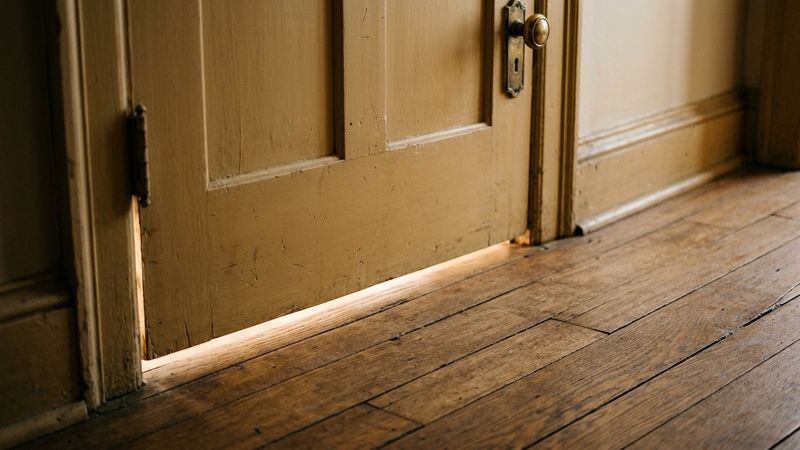
These are not grand gestures. They're small adjustments to the architecture of daily life. A willingness to say "drop by" and mean it. A tolerance for the imperfect state of the living room.
What We Lose When Everything Is Scheduled
When every encounter is arranged, the element of surprise disappears. The friend who happens to be in the neighbourhood, the colleague who finished early, the neighbour who noticed your light was on: these are the people who bring news you didn't know you needed, perspectives you hadn't considered.
Brûlé ends his piece with a commitment: "I decided that it's time for more spontaneous appearances." Not a return to some imagined past, but a deliberate choice to leave room for the unplanned.
This week, leave one evening open. Tell one friend they can drop by. See what happens when the buzzer rings without warning.
Frequently Asked Questions
Q: Why have spontaneous visits become rare in modern cities?
A: The shift is structural rather than personal: digital planning culture has made unannounced arrivals feel intrusive, apartment-block living creates anonymity between neighbours, and fragmented work schedules make evenings feel like recovery time rather than social opportunity.
Q: How can I create space for spontaneous encounters without disrupting my routine?
A: Establish "permission structures" such as standing invitations ("Sunday mornings, the door is open"), regular visits to cafes where you know the staff and other regulars, or neighbourhood walks that leave room for unplanned stops.
Q: What role do local cafes play in enabling spontaneous social moments?
A: Cafes with regular customers and familiar staff function as informal social anchors where planned coffee can become unplanned conversation. Networks like Blue Bag's partner cafes across Sofia create consistent spaces where regulars recognise each other, lowering the barrier to spontaneous interaction.
The Flaneur