
Thirty-Four Acres and a Cheese That Won Twice
Прочети на български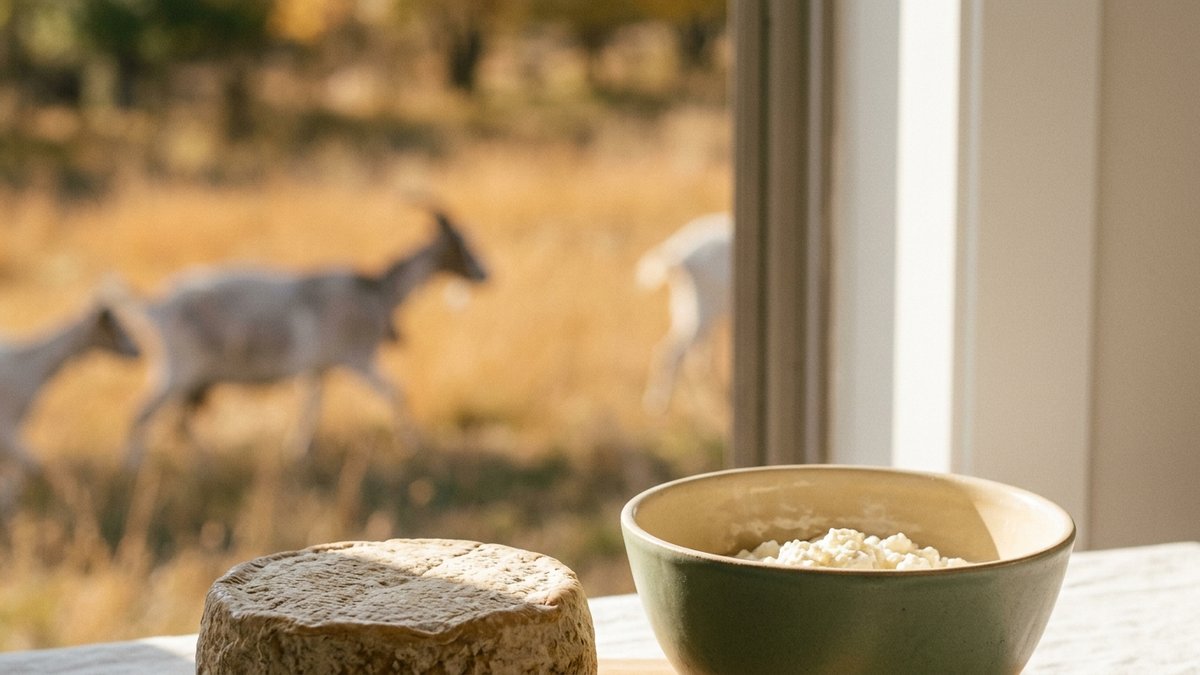
A visitor standing at the edge of Shadow Brook Farm can see the goat pen, the creamery building, and the plastic-covered hoop houses stretching toward the vegetable rows. Everything that makes the cheese exists within a few hundred metres. The goats are not decorative. They are the reason the cheese case stays full.
This is a working farm on the southwest edge of Lincoln, Nebraska, where Kevin Loth and Charuth Van Beuzekom have run an integrated operation since 1997. The creamery, Dutch Girl Creamery, joined in 2006. The model is simple in principle and demanding in practice: milk the goats, make the cheese, grow the vegetables, raise the hogs, sell it all from the same patch of ground.
The Gap in Bulgaria's Cheese Chain
Bulgaria has a deep cheese tradition. White cheese, sirene, kashkaval: these are staples made across the Rhodope, Pirin, and Thracian regions for generations. Yet most Bulgarian artisan producers operate in isolation. A farm raises animals. A separate facility processes milk. A third party handles distribution. The chain has gaps, and gaps cost money, time, and traceability.
Shadow Brook Farm offers a case study for the agricultural zones within reach of Sofia: Pazardzhik, Kyustendil, Lovech. Urban demand for traceable, craft dairy is growing. The supply chain to meet it remains fragmented.
Whey to the Hogs, Vegetables to the Table
Thirty-four acres is not a large property. Shadow Brook Farm fits dairy goats, pasture-raised hogs, laying hens, vegetable production, cut flowers, and a licensed creamery onto that footprint.
Cheesemaking produces whey, the watery liquid that separates from curds. Most operations treat whey as waste. At Shadow Brook, the whey supplements feed for the hogs. The hogs are raised on pasture and sold alongside the cheese and vegetables. One part of the operation feeds another. Waste elimination reduces costs. Diversification creates multiple revenue streams.
Rosa Maria, First Place, Twice
Dutch Girl Creamery has produced Grade A goat milk since 2006. Grade A is a regulatory standard for fluid milk, meaning the milk meets strict hygiene and quality requirements before it ever becomes cheese.
Charuth Van Beuzekom makes the cheese in small batches on the farm. One of those cheeses, Rosa Maria, an aged Spanish-style cheese brined in salt, won first place in its class at the American Cheese Society competition in 2015 and again in 2018. The competition draws entries from across North America. Winning twice, three years apart, suggests the craft is consistent.
When the cheesemaker controls the milk supply, she controls the variables. Feed, health, timing: all of it stays in one set of hands.
Ten Months of Vegetables in a Harsh Climate
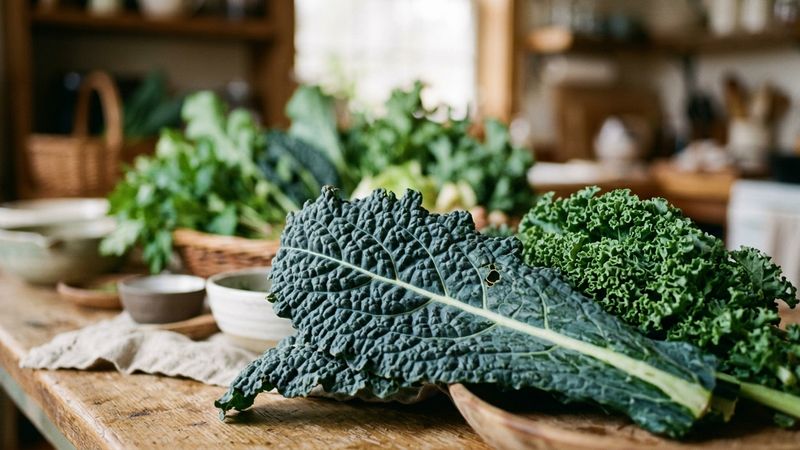
Nebraska winters are harsh. Shadow Brook Farm uses hoop houses, simple tunnels covered in plastic, to trap warmth and protect crops from wind. The result is a vegetable season that stretches to nearly ten months a year.
Bulgaria has a climate advantage over Nebraska.
Winters are milder in most agricultural regions. Yet many Bulgarian producers lack the infrastructure investment mindset that turns a six-month season into a ten-month one. Hoop houses are not expensive technology. They are practical, replicable, and proven.
After the Fire, the University Stepped In
In 2022, a fire damaged the cheese plant and farm store. The owners chose to rebuild. During the reconstruction, cheesemaking moved temporarily to the University of Nebraska-Lincoln Food Innovation Center. The state university stepped in to keep a local creamery running.
That kind of community support comes from decades of presence: families who have bought vegetables from the farm since the late 1990s, customers who know the owners by name. Isolated producers lack that safety net. Vertical integration creates multiple touchpoints with customers. Those touchpoints become resilience.
The Question for Bulgarian Producers
If a Nebraska farm can sustain a creamery, vegetable operation, and livestock on thirty-four acres while maintaining craft quality and community access, what is stopping Bulgarian producers in the Rhodope foothills or near Sofia from building the same model?
The barriers are real: land access, capital, regulatory complexity. But the model is not exotic. Bulgaria's grandparents remember farmyards with a little bit of everything. The question is whether the next generation will rebuild them.
Frequently Asked Questions
Q: What is Grade A milk certification and why does it matter for artisan cheese?
A: Grade A is a regulatory standard indicating milk meets strict hygiene and quality requirements for fluid consumption, not just processing. For cheesemakers, it ensures a consistent, high-quality starting material that directly affects the final product's taste and safety.
Q: How do hoop houses extend the growing season in cold climates?
A: Hoop houses are plastic-covered tunnels that trap warmth and block wind, allowing crops to grow when open fields cannot support them. At Shadow Brook Farm, they extend the vegetable season to nearly ten months despite Nebraska's harsh winters.
Q: What makes vertically integrated farm-creamery operations more resilient than separated ones?
A: Integration creates multiple revenue streams (dairy, vegetables, meat), eliminates supply-chain waste through loops like feeding whey to hogs, and builds deeper community ties through direct customer relationships, reducing economic fragility during setbacks.
The Artisan