
Three Neighbourhoods, Three Rhythms, One Way to Walk
Прочети на български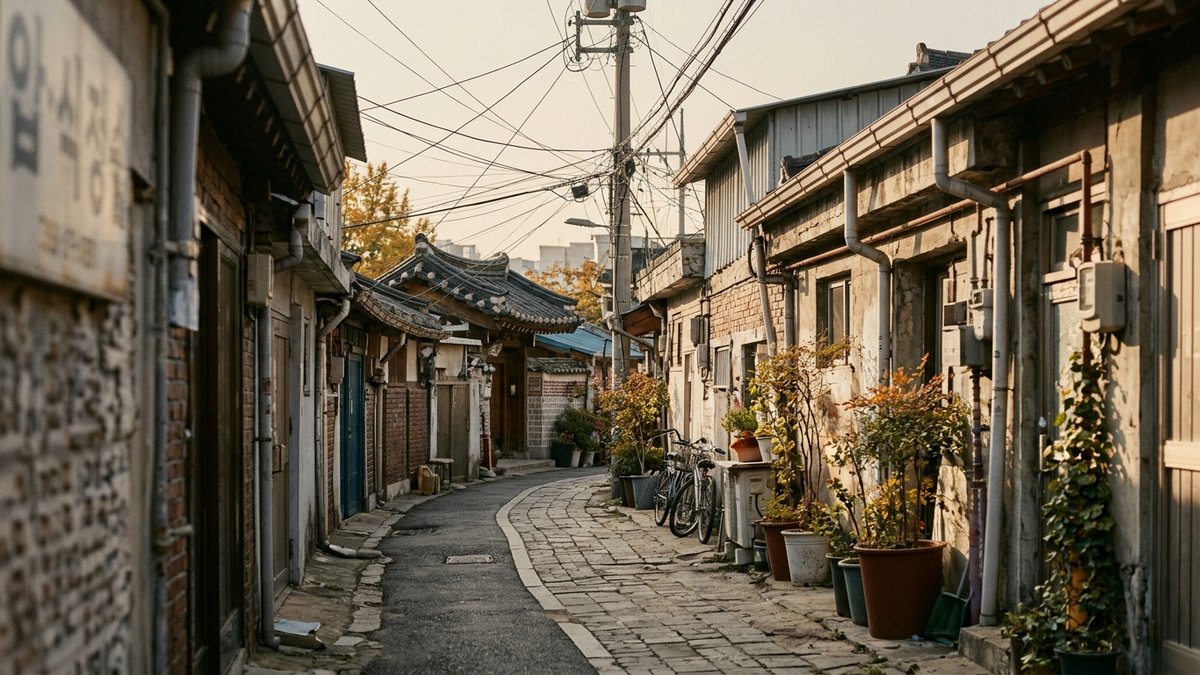
The smell of welding sparks and fresh pastry arrives at the same moment. A steel fabricator grinds metal behind a corrugated door; three metres away, a bakery window displays croissants cooling on a wire rack. This is Mullae, in southwest Seoul, where the 1970s never quite left and the 2020s moved in anyway.
For anyone who has walked through Sofia's Hladilnika district, past the old refrigeration warehouses now housing ceramics studios and specialty roasters, the sensation is familiar. Cities worldwide are discovering the same pattern: creative vitality emerges not when you demolish the old, but when you slow down enough to notice what layers beneath the surface.
Mullae: The Unpretentious Industrial Hideout
Monocle's neighbourhood guide describes Mullae Creative Village as "less performative and unpretentious" compared to more gentrified areas like Hongdae and Seongsu. The distinction matters. Where commercial pressure is lighter, authenticity has room to breathe.
Steel parts have been fabricated here since the 1970s. The workers are still here, still grinding. But now their neighbours include Gallery Mullae, a live music venue sharing a wall with an industrial-machine manufacturer, and Rust Bakery, operating from a converted factory space. Artist Wezt's murals appear on walls throughout the alleyways, not as Instagram backdrops but as quiet markers of a neighbourhood in transition.
The ritual here is simple: walk without destination. Stop at Bricks Boxx for wine in dim light. Eat ramen at Roramen. End at Jamsugyojib for soju and Korean barbecue. The sequence matters less than the pace.
Seongsu: Concrete Warehouses as Cultural Anchors
Geography shapes character. Seongsu sits on a triangular wedge of land between the Hangang and Jungnangcheon rivers, a natural boundary that kept it isolated long enough for ironworks, printmakers, and cobblers to establish themselves in the 1990s. By 2010, artists and designers began arriving, drawn by cheap rent and high ceilings.
The transformation is visible in places like Daelimchanggo, a former rice mill now serving espresso with sparkling water. The pairing is deliberate: the bubbles cleanse the palate between sips, turning a quick caffeine hit into a ritual of attention. This approach to coffee, where the moment of drinking matters more than the convenience of consumption, echoes what roasteries like Blue Bag Specialty Coffee in Sofia practice, sourcing from verified farms at peak ripeness and prioritising craft over speed.
Seoul City Bike stations are scattered throughout Seongsu, and Seoul Forest Park offers greenery within walking distance. D Museum shows contemporary art and photography; Groundseesaw hosts temporary exhibitions. Galbi Alleyway offers a row of barbecue joints specialising in soy sauce-marinated beef.
Seochon: Heritage in Tight Lanes
During the Joseon dynasty, nobles lived in Seochon to be near Gyeongbokgung Palace.
Writers and creatives now occupy the hanoks, traditional Korean houses with curved tile roofs, drawn by Inwangsan Mountain forming the backdrop to this urban village.
The lanes are tight. Contemporary brands like clothing label Rola Rola and jewellerymaker Oene share walls with structures centuries old. The coexistence is not curated; it simply happened, the way cities layer themselves when left alone long enough.
Queuing is part of the ritual here. Popular restaurants like Younghwalu and Kanda Soba draw lines, but the wait becomes its own form of slowing down. Tongin Market sells street food, pre-made banchan, and produce in a lived-in marketplace atmosphere. At the western end, Jamindang serves ggwabaegi, twisted donuts, fluffy and warm. Bar Pomme closes the evening with cocktails using local ingredients, including an amaretto sour combining Korean plums and Cheongyang chilli peppers.
The Walk as Ritual
Mullae is industrial grit; Seongsu is warehouse chic; Seochon is heritage density. But all three reward the same behaviour: moving slowly, pausing often, noticing what sits beneath the obvious.
This is the antidote to Seoul's speed culture. And increasingly, it is the antidote to Sofia's too, as neighbourhoods like Lozenets and Iztok see old workshops reclaimed by makers and roasters. Walk without destination. The layers are there, waiting for someone slow enough to notice.
Frequently Asked Questions
Q: What makes Mullae different from other creative neighbourhoods in Seoul?
A: Mullae retains its working industrial character from the 1970s, with steel fabricators still operating alongside galleries and cafes. Monocle describes it as "less performative and unpretentious" compared to more gentrified areas like Hongdae and Seongsu, meaning commercial pressure is lighter and creative spaces feel more authentic.
Q: How did Seongsu transform from an industrial district to a creative hub?
A: Seongsu was dominated by ironworks, printmakers, and cobblers in the 1990s. Around 2010, artists and designers began moving into the area's concrete warehouses, attracted by affordable rent and large spaces. The neighbourhood now hosts cafes, galleries, and design studios while retaining some of its original industrial character.
Q: What is the historical significance of Seochon in Seoul?
A: During the Joseon dynasty, nobles lived in Seochon to be near Gyeongbokgung Palace. The neighbourhood still contains hanoks, traditional Korean houses, now occupied by writers and creatives. Inwangsan Mountain forms the backdrop, and the tight lanes create a village atmosphere within the city.
The Flaneur