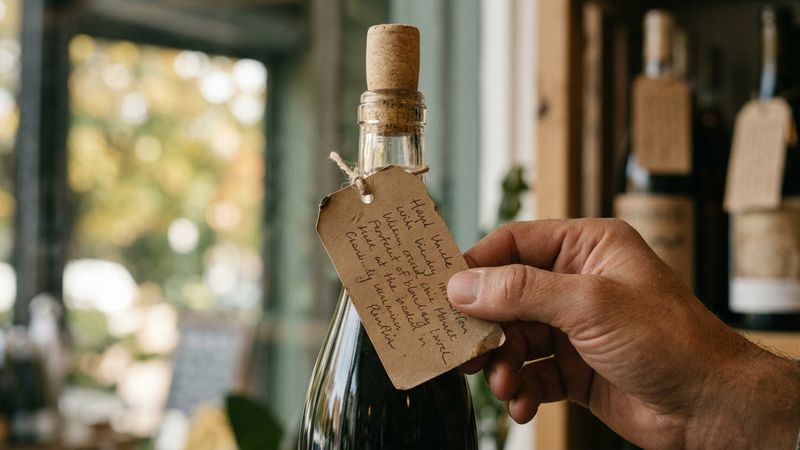
Fifty wineries, a converted cultural centre, and a simple premise: let the people who make the wine stand next to the people who drink it. No intermediaries. No marketing scripts. Just a glass, a conversation, and the story of how the grapes got from the vineyard to the bottle.
The Slow Wine Fair in Buenos Aires returns for its fourth edition on , at Ciudad Cultural Konex. The format has remained deliberately unchanged: a public day where anyone over 18 can taste and talk directly with producers, followed by a professionals-only day for sommeliers, restaurateurs, and buyers. Entry costs between 38,000 and 50,000 Argentine pesos (roughly €40-55), which covers unlimited tastings, access to talks, and the kind of education no wine course can replicate.
The Platform Bulgaria Lacks
Bulgaria has wine regions with genuine character: the Thracian Valley, the Danube Plain, the Black Sea coast. A growing number of producers work with indigenous varieties and low-intervention methods. What Bulgaria lacks is a unified platform where these makers meet conscious consumers at scale, face to face, without the filter of distributors or the noise of tourist-oriented festivals.
The Buenos Aires model addresses exactly this gap. It operates on a principle that Slow Food has championed for over two decades: the consumer is a co-producer. Every purchase is a vote for the food system you want to exist.
Producers at the Table, Not Behind It
The structure is deceptively simple. Producers set up stations. Visitors move freely, tasting and asking questions. The marketplace extends beyond wine to include gin, vermouth, beer, kombucha, chocolate, honey, nuts, and dairy, all from makers committed to agroecological, organic, biodynamic, or regenerative practices.
Free talks run throughout the day, covering Slow Food philosophy and enogastronomic topics. Over three previous editions, more than 90 different wineries have participated, with international guests bringing bottles from Chile, Bolivia, Uruguay, Brazil, Peru, Italy, and Spain. The 2026 edition expects 50-plus producers, anchored by members of the Slow Wine Coalition, a network coordinating producers across Latin America who protect biodiversity and historic vineyards.
Every Glass Is a Vote
Juan Gualdoni, coordinator of the Slow Wine Coalition for Latin America, framed the challenge directly:
As consumers, we have to support more than ever the producers who commit to safeguarding and maintaining both varieties and landscapes and historic vineyards.
Support them at a fair, but also daily when choosing what we eat and drink.
Juan Gualdoni
The organisers referenced Carlo Petrini, founder of Slow Food, who passed away in 2024. His legacy shapes the event's ethos: "Sow utopia and harvest reality." The fair makes visible what supermarket shelves obscure: the decisions, the labour, the risk that goes into every bottle.
Цената разказва история, която баркодът никога не би могъл да предаде.
What Sofia Could Learn
The question is not whether Bulgaria has the ingredients for something similar. It does. The question is whether the scattered energy of natural wine producers, artisan food makers, and conscious consumers can find a shared platform.
A Bulgarian Slow Wine Fair would need a venue with the right scale, a producer network willing to commit to shared principles, and partner organisations to handle logistics. The Balkans have no equivalent regional network. Serbia, North Macedonia, Greece, Romania all have producers working in similar directions, often in isolation. A Sofia-based fair could anchor something larger, the way Buenos Aires anchors Latin America.
The model exists. It works. The question is whether anyone here is ready to adapt it.
Frequently Asked Questions
Q: What is the Slow Wine Fair format and how does it differ from typical wine festivals?
A: The Slow Wine Fair pairs a public tasting day with a professionals-only day, featuring direct interaction between producers and visitors without intermediaries. Unlike tourist-oriented festivals, it emphasises education through free talks and includes a mixed marketplace of wine, spirits, and artisan foods from producers committed to agroecological practices.
Q: How much does entry cost and what does it include?
A: Entry to the Buenos Aires 2026 edition costs 38,000-50,000 Argentine pesos (approximately €40-55). The ticket includes unlimited tastings of all wines and foods, access to hydration stations, and entry to all talks and educational sessions.
Q: What is the Slow Wine Coalition?
A: The Slow Wine Coalition is a network coordinated by Slow Food that connects wine producers across Latin America who commit to agroecological, organic, biodynamic, or regenerative practices. It provides the organisational backbone for regional events like the Buenos Aires fair and promotes the principle that consumers are co-producers in the food system.
The Slowmade Letter: what happened in the city this week, gathered into one letter.
By subscribing you agree to receive the Slowmade Letter once a week at this address. You can unsubscribe with one click, at any time. How we handle your data
Analytics cookies
We use Google Analytics and Microsoft Clarity to understand which stories get read and how you move around the site. Nothing is recorded without your consent. The cookies needed to sign in always work. Learn more