
What Burgundy's Quiet Revival Teaches Sofia About Staying Put
Прочети на български
Trond Fredheim kept returning to the same village for Saturday lunch. Not for the wine lists or the Michelin stars, but for the pace, the way a meal could stretch into afternoon without anyone checking the time. When the inn where he'd gathered with friends for years came up for sale in 2022, the Norway-born former airline professional bought it with three partners. Maison Le Chevreuil reopened in September 2026, not as a destination hotel, but as a place designed for people who already belonged there.
The question this raises for Sofia is uncomfortable: how many neighbourhood gathering spots have we lost to either neglect or the wrong kind of attention? The traditional café where regulars knew each other's orders. The Sunday market that existed for locals, not tourists. Burgundy faced the same choice, let local culture fade into heavy-curtained nostalgia, or rebuild it with intention.
Design That Listens Before It Speaks
The architects Fredheim commissioned, Beaune-based Aubin Prost and Johanna Leserre, received one brief: everything from materials to craftspeople had to come from Burgundy. Smoked-oak cupboard doors reference the region's vine stock. Exposed limestone walls and clay-plastered ceilings came from local quarries and workshops. The burgundy-hued shower cabins are a colour that, as Leserre puts it, "chose us."
This constraint-based approach produces something Sofia's emerging design studios might recognise: authenticity that doesn't announce itself. The 10-key inn celebrates its surroundings through decisions, each material carrying a story that locals already know.
Hospitality Built Around Existing Rhythms
At Les Sources de Vougeot, the Tourbier family moved the swimming pool into a vaulted cellar where Cistercian monks once stored wine. The space already held meaning. Rather than erasing that history, they designed around it.
The hotel, the third outpost of the hospitality arm of the Caudalie cosmetics family, was designed by Parisian firm Atelier Saint-Lazare with stone fireplaces and original hand-painted beams intact. Wine books and vintage posters for local viticultural festivals fill the common spaces. The message: we're not inventing new rituals. We're making space for the ones that already exist.
Craft as the Anchor That Holds
In Saint-Romain, US-born Matt McClune runs a micro-roastery open only on Mondays and Tuesdays. One table. Ethiopian highland beans, light-roasted. The scarcity is deliberate, this isn't a business optimised for throughput.
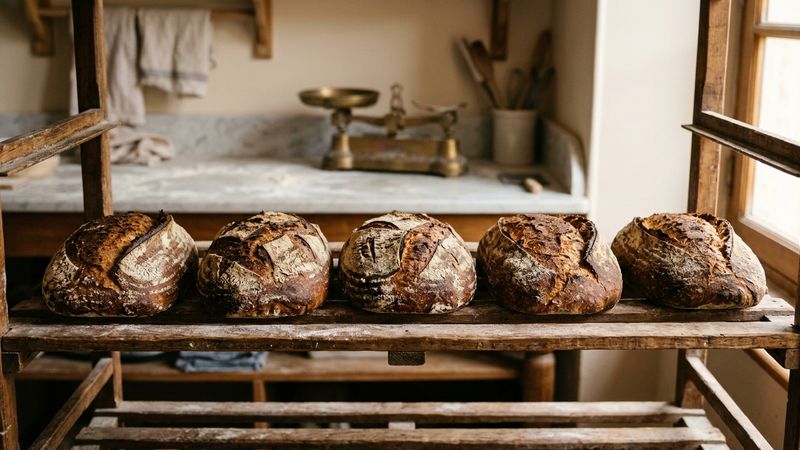
McClune's observation cuts to the heart of what's happening: "Kids from abroad see Burgundy's current energy and want to stay." This is craft-led migration, the inverse of brain drain. The revived bakery Chez Charles in Gilly-lès-Cîteaux, run by three entrepreneurs, a baker, a café owner, and a wine merchant, follows the same logic. Chef Romain Tischenko, formerly of Paris bistro Le Galopin, now runs a summer pop-up in the gardens of a local estate with his sommelier partner Ioulia Gourieva.
The pattern: when locals value craft, outsiders who share those values arrive and stay.
Sofia's specialty coffee scene already understands this.
Aroma Coffee, where owner Georgi Gagov roasts from green beans across three locations with an SCA Roastery Diploma behind him, operates from the same principle. The choice to roast in-house, to source carefully, to build community around craft rather than convenience, this is the same signal McClune sends with his two-day-a-week schedule. When a small business commits to doing one thing exceptionally, it becomes an anchor for others.
The Measure That Matters
Frédéric Biousse, co-founder of Fontenille Collection, which opened its 13th property in Meursault this summer, frames Burgundy's appeal simply: "Few areas bring together an exceptional architectural heritage, landscapes, gastronomy and fine wines like Burgundy." But the real measure of success isn't visitor numbers. It's the presence of people who choose to stay.
Sofia's future depends not on competing with Prague or Budapest for weekend tourists, but on deepening what makes it distinctly Sofia: its coffee culture, its design community, its neighbourhood character. The slow pace that kept drawing Fredheim back to Burgundy exists here too. It's in the morning light on Tsar Shishman, the unhurried espresso at a neighbourhood café, the walk home through Oborishte when nobody's rushing.
The question is whether we'll design around it, or let it disappear.
Frequently Asked Questions
Q: What makes Burgundy's hospitality revival different from typical tourism development?
A: The new hotels and businesses are designed around existing local rituals, Saturday lunches, first communions, neighbourhood gatherings, rather than inventing attractions for visitors. Maison Le Chevreuil's architects were required to source all materials and craftspeople from Burgundy, creating authenticity through constraint.
Q: How does craft coffee fit into Burgundy's cultural revival?
A: Matt McClune's Saint Romain Coffee operates only Mondays and Tuesdays with one table, signalling that the roastery exists for people who want to slow down. McClune notes that Burgundy's wine culture naturally extends to appreciating light-roasted Ethiopian beans, both require attention and time.
Q: What can Sofia learn from Burgundy's approach to neighbourhood preservation?
A: Burgundy's model shows that when local businesses commit to craft over convenience, they become anchors that attract like-minded entrepreneurs from elsewhere. The key is designing for regulars first, not tourists, and using local materials and traditions as constraints that produce authentic spaces.
The Flaneur