A woman in a grey coat waits at a counter somewhere near Zhenski Pazar, watching steam rise from a paper cup. Behind her, a man in paint-spattered trousers tears into a banitsa, flakes falling onto the floor. Nobody speaks. It is 7:42 a.m., and the whole transaction takes forty seconds. Then they're gone, absorbed into the city's morning current.
This is Sofia's version of the ritual. Quick, functional, unremarkable. And yet, in Singapore, a nearly identical scene has become the site of a quiet war.
The Ritual Under Siege
Singapore's kopitiams, traditional coffee shops serving kaya (coconut jam) toast and kopi, have operated as social infrastructure for over a century. According to Monocle, the city-state now has 178 of these establishments, and the competition between them has intensified into what locals call the toast wars.
The stakes are higher than they appear. Kopitiams aren't just breakfast spots; they're where kopitiam talk happens, a phrase synonymous with public opinion and neighbourhood gossip. These spaces function as informal public squares, places where Singaporeans from all walks of life can meet over a shared morning ritual.
The neighbourhood cafe gives way to the branded chain. The handwritten menu becomes a backlit panel. The question isn't whether this happens, but what gets lost along the way.
Two Philosophies, One Slice of Toast
Ya Kun, founded in 1926, now operates 65 shops across Singapore and abroad. The company produces 20,000 slices of toast monthly in Singapore alone.
Our competitors are strong so we have to stay on top. Unlike most of our competitors, we make our own kaya. We guard our recipe tightly.
Jesher Loi, grandson of Ya Kun's founder
Ya Kun's uncle still butters the toast the way he has since 1944.
Then there's Toast Box, a six-year-old brand backed by BreadTalk, a consortium controlling seven brands and 6,000 employees globally, including Taiwan's Din Tai Fung. Toast Box already operates 32 shops in Singapore, with five more opening this year and 28 across Hong Kong, Malaysia, and the Philippines.
The synergies of BreadTalk and Toast Box bring about greater efficiency and economies of scale.
Joyce Koh, Senior Vice-President of Brand Development
Two companies, two entirely different ideas of what a morning ritual should be.
Heritage as Business Strategy
Killiney Kopitiam, operating since 1919, has taken a middle path. Director Woon Tek Seng bought the business in 1993 after years as a regular customer.
I was a long-time customer of this coffee shop.
I knew I had to buy the business and preserve the heritage when the owners retired.
Woon Tek Seng, Director of Killiney Kopitiam
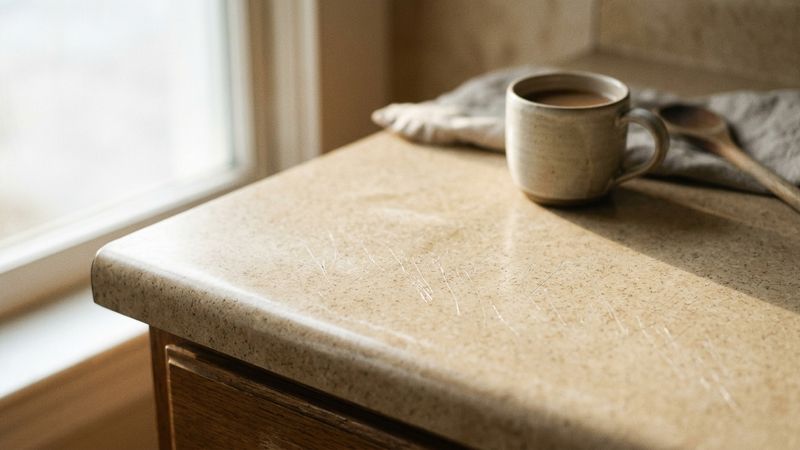
Автентичността се измерва в драскотини, а не в маркетингови стратегии.
Preservation, in this case, means Formica tabletops and wooden stools, but also air-conditioning. The company now runs 51 shops across Singapore, Malaysia, and Indonesia, with expansion to Brunei and Hong Kong planned within six months. Franchise offers have arrived from Europe and the United States.
Ya Kun has pushed further, with one shop in Tokyo and four in South Korea.
We position ourselves as a Singaporean product in other countries. We obviously don't force our kind of coffee down their throats.
Jesher Loi
The real competition, though, isn't between heritage brands. It's against Starbucks (69 shops in Singapore) and McDonald's (over 110). The fast-food sector was worth more than €400 million in 2009. Kopitiams are fighting for survival in one of the world's most competitive markets.
What Sofia Might Recognise
The parallel isn't exact, but it's close enough to feel uncomfortable. Sofia's specialty coffee scene has grown rapidly, with roasters like Blue Bag Specialty Coffee building direct relationships with partner cafes and maintaining small-batch production, much like Ya Kun guards its kaya recipe. The question is whether that model can survive as the market matures.
The answer isn't obvious. Killiney Kopitiam installed air-conditioning and kept its wooden stools. Ya Kun expanded to Tokyo without abandoning its uncle's buttering technique. Growth and integrity aren't necessarily opposites, but the tension between them is real.
What do we want our morning rituals to be? And are we willing to pay, in time, money, and attention, to keep them local?
The woman in the grey coat doesn't know she's part of a pattern. She just wants her coffee before the day starts. But somewhere, someone is calculating whether her forty-second transaction can be made more efficient.
Frequently Asked Questions
Q: What is a kopitiam and why does it matter culturally?
A: A kopitiam is a traditional Singaporean coffee shop serving kaya toast, kopi, and local dishes. Beyond food service, kopitiams function as social infrastructure where "kopitiam talk," or neighbourhood gossip and public opinion, takes shape. Singapore currently has 178 kopitiams.
Q: How are traditional kopitiam brands competing against corporate chains?
A: Heritage brands like Ya Kun (65 shops, founded 1926) and Killiney Kopitiam (51 shops, operating since 1919) compete by protecting proprietary recipes, maintaining traditional decor, and expanding internationally while positioning themselves as distinctly Singaporean products rather than generic fast-food alternatives.
Q: What is the real competitive threat to kopitiams in Singapore?
A: The primary competition isn't between kopitiam brands but against global chains. Starbucks operates 69 shops in Singapore, McDonald's has over 110, and the fast-food sector was valued at more than €400 million in 2009. Kopitiams must defend their cultural relevance against this scale.
The Slowmade Letter: what happened in the city this week, gathered into one letter.
By subscribing you agree to receive the Slowmade Letter once a week at this address. You can unsubscribe with one click, at any time. How we handle your data
Analytics cookies
We use Google Analytics and Microsoft Clarity to understand which stories get read and how you move around the site. Nothing is recorded without your consent. The cookies needed to sign in always work. Learn more