
The Fifty-Two-Year-Old Who Decided to Start Over
Прочети на български
The cacao beans arrive in burlap sacks, still carrying the fermented sweetness of their origin. They look nothing like chocolate. They smell nothing like chocolate. And for José Salas, a man who has spent a decade building a successful ice cream business across northern Spain, they represent something unexpected: the chance to become a beginner again.
Salas is 52. He runs six ice cream shops across Asturias, from Cangas de Onís to Avilés. By most measures, he has arrived. But this year, he chose to step back from the counter and into a workshop in Santolaya de Cabranes, where he is learning to roast, shell, grind, and temper cacao from scratch. The process takes weeks. The learning curve is steep. And that, he says, is precisely the point.
Why Sofia Should Pay Attention
In Bulgaria, bean-to-bar chocolate remains rare. Most artisan chocolatiers work with couverture, pre-made chocolate that arrives ready to melt and mould. There is nothing wrong with this approach, but it means the maker enters the process late, after the most flavour-defining stages have already happened.
A handful of Sofia-based producers are beginning to ask a different question. Flow Cacao, a family-owned roastery working with single-origin Latin American beans, has spent years treating cacao as a primary craft ingredient rather than a commodity. Their work with ceremonial cacao and direct producer relationships suggests Sofia already has artisans thinking seriously about cacao's potential. Bean-to-bar chocolate is a natural next step.
What "Bean-to-Bar" Actually Means
The term describes controlling every stage of chocolate production, from raw cacao beans through to the finished bar. According to La Nueva España's profile of Salas, the process at Cremela involves manual selection, roasting, descaling, grinding, conching, maturing, and tempering. Each stage changes the aroma, texture, and final flavour.
When you start with someone else's chocolate, you inherit their decisions about roast profile, fermentation, and origin blend. When you start with beans, you make those decisions yourself.
José Salas
It's not just about making our own tablets, but understanding and controlling the entire process to truly express what each cacao can offer.
The Apprenticeship Paradox
What makes Salas's story worth telling is the decision to become a student again after a decade of success.
He started in restaurant kitchens, where he noticed that desserts rarely matched the quality of the rest of the meal. He trained in ice cream making in Spain and Italy, opened his first shop in 2018, and expanded to six locations. Chocolate was always the most requested flavour. In 2021, he was experimenting with combinations like mango with curry and rice vinegar, or salted caramel with thyme and lime.
But he wanted to understand what made chocolate work.
Not the recipes. The ingredient itself.
José Salas
More than the number of locations or what we've achieved, I value having maintained the same hunger to learn, to try new things, and to keep searching for where we can go.
The Practical Reality
Bean-to-bar is not a weekend project. Roasting profiles must be calibrated for each batch. Conching can take days. Maturing requires patience. Tempering requires precision. The investment is significant: equipment, space, sourcing relationships, and time.
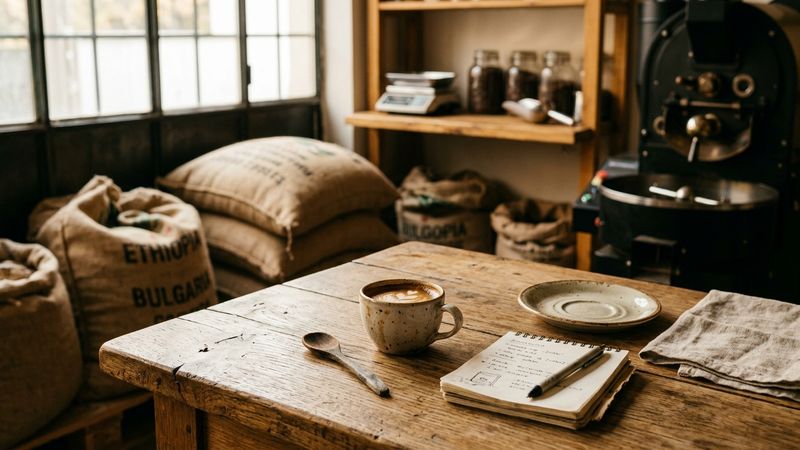
The payoff is chocolate that tastes like a place, not like a formula. For Salas, the cacao processed in Asturias will eventually appear in his ice creams and other preparations. The knowledge gained from bean-to-bar work will inform everything else.
A Question for Sofia's Artisans
The specialty coffee scene in Sofia has matured rapidly over the past decade. Roasters here now source directly from farms, control their roast profiles, and compete on origin and process. The same trajectory is beginning in chocolate, though it remains years behind.
The question Salas's story poses is whether the artisans already working here are willing to ask how much of the process they can control themselves.
José Salas
The most important thing is that Cremela keeps having a story to write.
The next chapter is already underway.
Frequently Asked Questions
Q: What is the difference between bean-to-bar chocolate and regular artisan chocolate?
A: Bean-to-bar means the maker controls every stage from raw cacao beans through roasting, grinding, conching, and tempering. Most artisan chocolatiers work with pre-made couverture, entering the process after the flavour-defining stages have already occurred.
Q: How long does the bean-to-bar process take?
A: The full process takes several weeks. After manual selection and roasting, the chocolate must be ground, conched for days, and then matured before final tempering. Each stage affects the final flavour and texture.
Q: Are there any bean-to-bar chocolate makers in Sofia?
A: Bean-to-bar remains rare in Bulgaria. Flow Cacao works with single-origin cacao and ceremonial preparations, representing the closest existing model in Sofia to this philosophy. Full bean-to-bar chocolate production is an emerging interest rather than an established practice.
The Artisan