The Producer Who Uses Fermentation as a Whisper, Not a Shout
Прочети на български
Purple grape, gingerbread, crisp plum, and a finish that lingers somewhere between mission fig and goat cheese. The tasting notes read like a sommelier's fever dream, but they come from a coffee farm in Bolivia, produced by someone barely in her early twenties.
Yulissa Chambi's coffee has been a Crown Jewel offering from Royal Coffee for five consecutive years. That kind of consistency from a single producer is rare enough. That it comes from South America's smallest coffee exporter and only landlocked producer makes it worth understanding how she does it.
A Farm That Waited Forty Years
The story begins in the 1980s, when Yulissa's family purchased twenty hectares of pure jungle in Bolivia's Yungas region, the mountainous corridor connecting the humid Amazon basin to the dry Andean altiplano. They planted four hectares of coffee. Then, for four decades, they mostly left it alone.
The economics didn't work. Declining global prices combined with Bolivia's government disinvestment made coffee production unviable. The family stayed in La Paz. The trees aged and lost their production.
In 2019, Yulissa's generation decided to renovate. She was barely out of secondary school, but Caranavi, the municipality surrounding her family's land, was being recognised for its terroir potential. Between 2019 and 2021, the original four hectares were replanted, and three new ones added.
Learning the Entire Chain
What distinguishes Yulissa is her refusal to specialise in only one part of the value chain. She learned milling, roasting, and became Bolivia's National Aeropress Champion. The Spanish term for barista craft is barismo, and she practices it with the same attention she brings to fermentation.
Her particular skill lies in restraint. Anaerobic fermentation, the process of fermenting coffee cherry in sealed, oxygen-free containers, has become fashionable in specialty coffee. Done carelessly, it produces boozy flavours that overwhelm the coffee's natural character. Done well, it enriches what's already there.
Her ability to use anaerobic fermentation "not as a transformation effort but as a subtle enrichment of the already abundant botanical flavors of her fully washed coffee, is among the best applications of the method we taste each year from anywhere."
Royal Coffee
The Process Behind the Profile
For this lot, hand-harvested cherry was sorted for consistency and floated for density.
After washing, the whole cherry fermented anaerobically for seventy-two hours. Then mechanical depulping, followed by a second fermentation in open tanks for twenty hours. Finally, raised screen beds for sun drying.
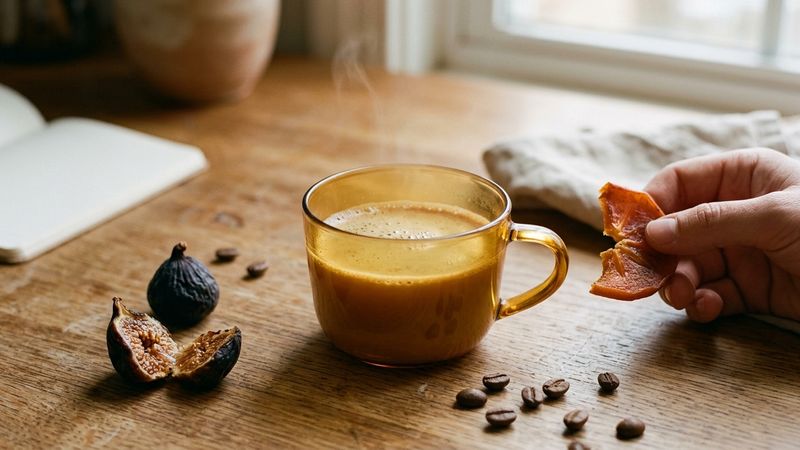
The result shifts depending on how you brew it. Base notes of black mission fig, persimmon, apple cider, and bing cherry appear consistently. Other brews reveal watermelon, lilac, lemongrass, and lime. Royal's tasting team found it particularly excellent as batch brew, where its delicate character comes through cleanly.
What Five Years of Partnership Enables
Yulissa's coffee is limited and highly sought after locally. Getting it to international markets requires logistics a single producer in a landlocked country cannot manage alone. Her brother Felix Chambi Garcia handles coordination, moving coffee to dry mills where quality and traceability are protected during export.
Royal Coffee's five-year commitment means Yulissa can plan, invest, and refine her process knowing there's a buyer who understands what she's building. For roasters in Sofia and elsewhere who source from overlooked origins, the model is instructive. Direct, multi-year relationships with producers who control their own process create better coffee than chasing the latest microlot trend.
Why Bolivia Remains Invisible
Caranavi produces an estimated eighty-five to ninety percent of Bolivia's specialty coffee, yet the country remains largely unknown to Western coffee drinkers. The reasons are structural: landlocked geography, competing cocoa production, labour shortages, and total production of only 85,000 sixty-kilogram bags in 2024.
Yulissa's coffee exists because she and her family decided to reclaim land that had been economically abandoned. It reaches international markets because importers committed to building the infrastructure Bolivia's isolation makes difficult. Purple grape and gingerbread don't appear by accident. They appear when a producer understands every step of her craft and when the people buying her coffee give her the time to practice it.
Frequently Asked Questions
Q: What is anaerobic fermentation in coffee processing?
A: Anaerobic fermentation involves fermenting coffee cherry in sealed, oxygen-free containers. When done with restraint, as Yulissa Chambi practices, it enriches the coffee's existing botanical flavours rather than overwhelming them with boozy notes. Her process uses seventy-two hours of whole cherry anaerobic fermentation followed by twenty hours of open-tank fermentation.
Q: Why is Bolivian specialty coffee so rare internationally?
A: Bolivia is South America's only landlocked coffee producer and its smallest exporter, with total production of only 85,000 bags in 2024. Structural challenges include government disinvestment, competing cocoa production, labour shortages, and the logistical difficulty of moving coffee from remote mountain farms to export infrastructure.
Q: How does direct producer partnership differ from transactional coffee sourcing?
A: Direct partnerships involve multi-year commitments that allow producers to plan, invest, and refine their processes with confidence. Royal Coffee has sourced from Yulissa Chambi for five consecutive years, enabling her to develop her craft while her brother handles export logistics. This contrasts with transactional sourcing, which prioritises price over relationship continuity.
The Artisan